Image
Image
Gallery showing 2 of 2 images
1 Ramsey Boulevard
Inverloch Victoria 3996
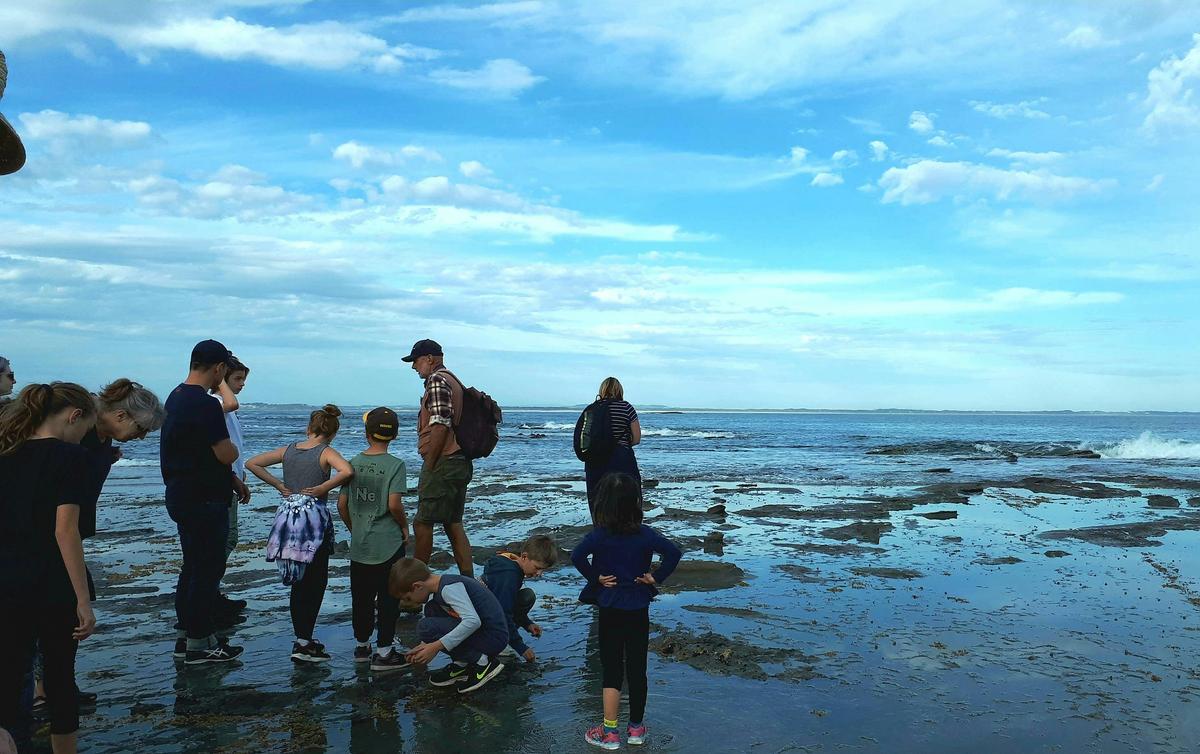
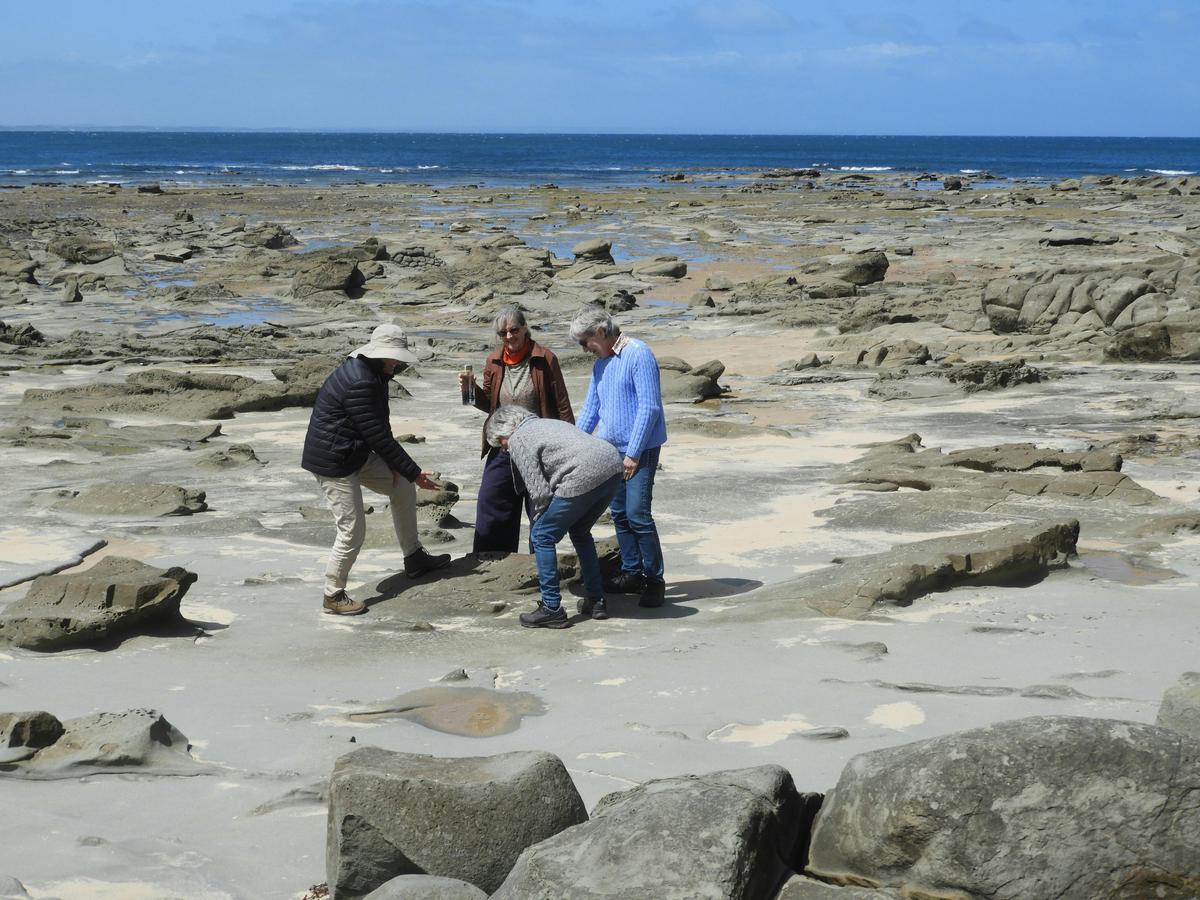
Learn about the dinosaurs that roamed the Bass Coast area and join the hunt for dinosaur fossils. See a dinosaur footprint. This session is presented by an Education Officer from Bunurong Environment Centre. You will see fault lines from ancient earthquakes and petrified trees from the age of the dinosaurs, followed by rock breaking to possibly find a fossil yourself. Following an introduction to the activity and a safety briefing, the group will go to The Caves on the Cape Paterson-Inverloch Road about six kilometres away. Participants will need their own transport and footwear suitable for the rock platform. Warm clothing will be needed in cooler weather and sun protection should be worn. After visiting the beach, rock breaking is conducted at the Wallace Avenue Community Park in Inverloch. Rock breaking hammers supplied or bring your own. The Education Officer will provide you with directions to The Caves beach and Wallace Avenue Community park during the briefing.
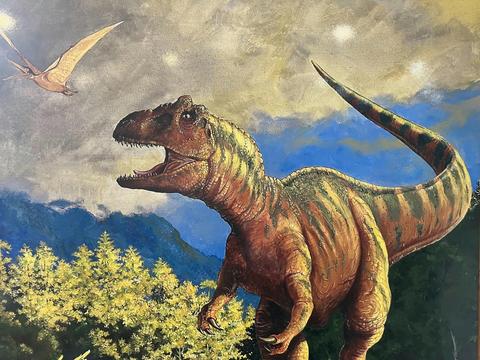
Learn how to find and identify Australian dinosaurs, get up to date with the latest palaeontology research and make your own dinosaur fossil. This session is presented by an Education Officer at Bunurong Coast Education. While most of this activity will take place at the Bunurong Environment Centre in Inverloch, participants will need their own transport to travel about a kilometre to the Wallace Avenue Community Park in Inverloch to break open rocks in a search for new fossils. This activity is suited to budding palaeontologists.
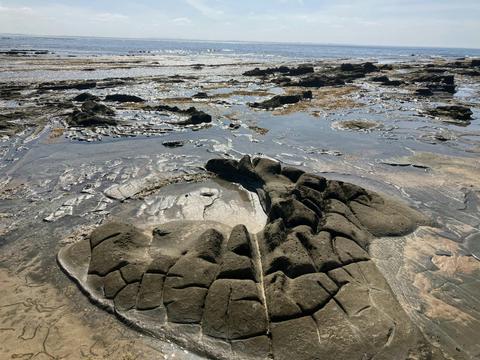
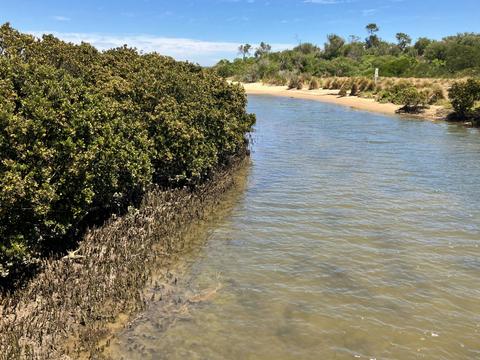
Join the South Gippsland Conservation Society to celebrate 30 years of Summer by the Sea! Explore the dynamic estuarine areas of Anderson's Inlet where you'll find coastal scrub, open woodlands, mangroves, saltmarsh and mudflats. Estuaries form a transition zone between river and ocean environments. Subjected to tides, waves and the influx of seawater, as well as flows of freshwater and sediment, they are some of the most productive natural habitats in the world. Screw Creek, with its easily accessible picnic facilities and toilets, is an ideal location to study the ecosystems and inhabitants of Anderson's Inlet, a significant site for wading birds, fish breeding and endangered species such as the orange bellied parrot
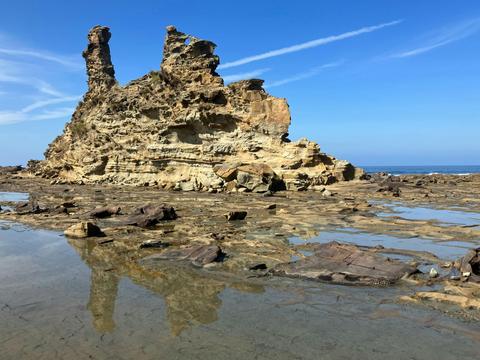
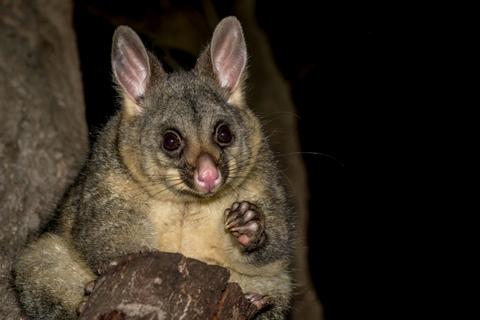
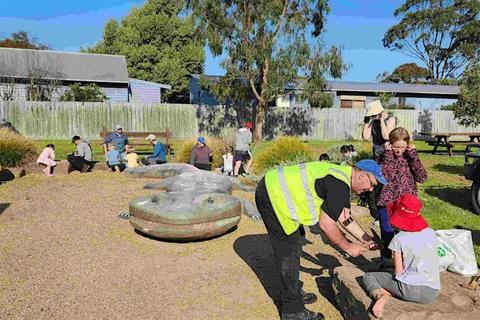
Join the South Gippsland Conservation Society to celebrate 30 years of Summer by the Sea! Learn about dinosaurs that roamed the Bass Coast region, and discover Victoria's fossil emblem Koolasuchus cleelandi including all the latest information Suited to budding palaeontologists. The session will include a visit to the Koolasuchus display at the Wallace Avenue Community Park and a supervised search for Koolasuchus and other fossils on the Inverloch Dinosaur Dreaming sites.
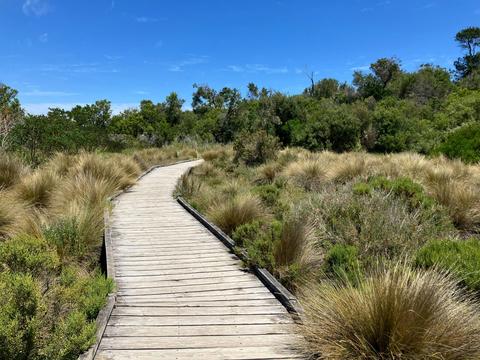
Join the South Gippsland Conservation Society to celebrate 30 years of Summer by the Sea! Your guide will lead you along boardwalks and the bridge across Screw Creek to the start of the new interpretive trail. Scan the QR codes on the bollards for interesting details of each location. Learn about the history of early settlement, the flora and fauna found in the area and points of interest along the way. Finish by walking up to the headland on Townsend Bluff with fabulous views over Anderson Inlet and the Tarwin River to Venus Bay, Point Smythe and west to Eagles Nest. You will need sturdy shoes for walking on wet and slippery ground, appropriate clothing and protection for the weather, water and your own transport from the Bunurong Environment Centre in Inverloch to the field site .
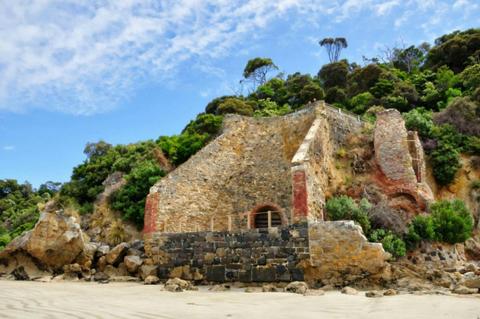
Join the South Gippsland Conservation Society to celebrate 30 years of Summer by the Sea! This is a beach walk from Walkerville North to Walkerville South and back to learn about the rock formations in the area and how they have changed over time. The walk starts at the Walkerville North Road beach ramp and follows the beach as far as the greenstone south of Bird Rocks. Footwear suitable for walking on sand and rocks is essential. You will see some of the oldest rocks in Victoria, fossil-bearing limestones, corals which formed in tropical seas, sea caves and historic lime-burning kilns.