Image
Image
Image
Image
Gallery showing 4 of 4 images
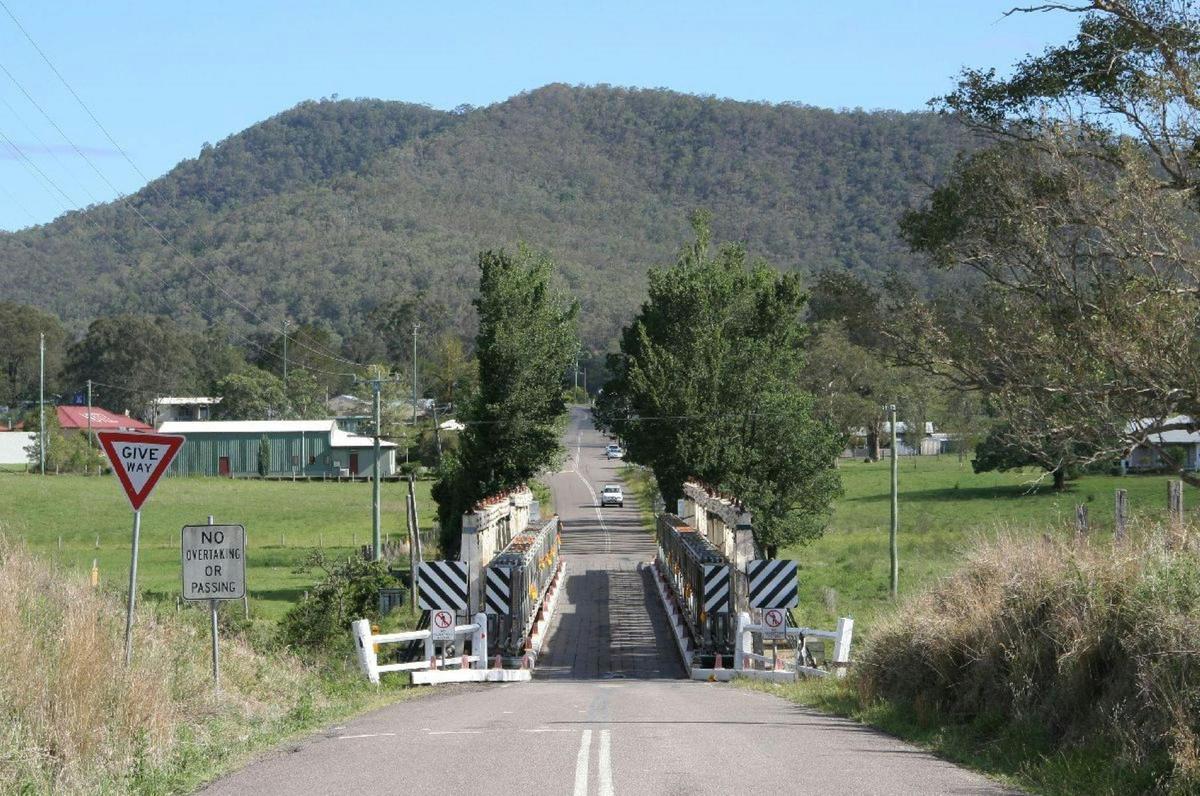
Enjoy the scenic countryside driving through the settlement of Bandon Grove, stopping at Chichester Dam to take in the tranquil surroundings of Lake Chichester. Continuing onto Jerusalem Creek in the World Heritage-listed Barrington Tops National Park, to enjoy the scenic views, waterfalls and birdwatching of this pristine area. Further along through the Chichester Forest you will find a small, open air museum of old logging machinery, an excellent reminder of how logging equipment and practices have advanced over time. Returning via the undulating hillsides and across the Williams River along the Fosterton Loop. This round trip from Dungog, could include unsealed roads, hence two-wheel-drive vehicles with reasonable ground clearance would be suitable for the trip, except in wet weather.
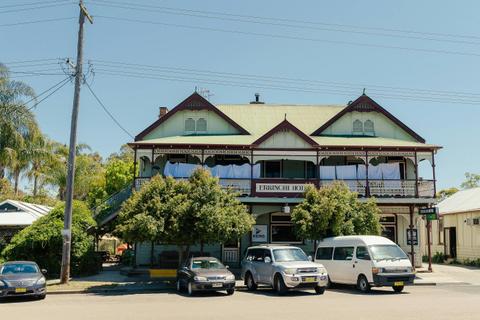
Clarence Town is a small village nestled on the banks of the Williams River. The township is most famous for building and launching the William IV paddle steamer in 1831, although the town was still called Erringhi at this time. The town was later renamed in 1832 after the Duke of Clarence, who became King William IV in 1830. Clarence Town's main claim to fame was that this was the spot where, in 1831, Australia's first ocean-going paddle steamer (called the William IV) was built and launched. Marshall and Lowe produced many vessels over the years, mostly under 50 tons, reaching a commercial peak in the 1870s and closing in the 1890s. Clarence Town was initially known as Erringhi. Presumably the Aboriginal name for the site, it is thought to mean 'place of wild ducks'. The settlement was situated at what is now the southern end of town by the Williams River where there was a wharf and where William Lowe and James Marshall established the Deptford Shipyards in 1830. The village was renamed in 1832 after the Duke of Clarence (who became King William IV in 1830). A prosperous town by mid-century it was much bigger than Dungog.
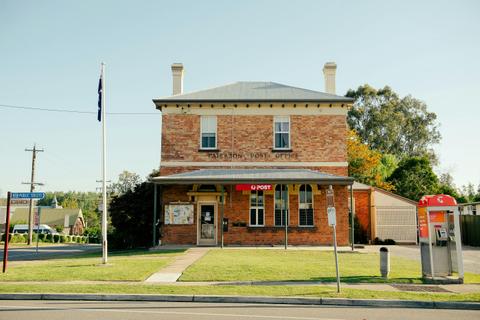
Paterson is a picturesque riverside town with fascinating heritage, grand colonial buildings and vintage trains. Soak up the ambience of old country pubs and explore the historic charming town. Settled in the early 1800s, it has a stunning collection of historical buildings and a railway museum. Nestled on the banks of the Paterson River it is a place to spend quality time, such as having a picnic at Tucker Park. Paterson is the home of the New Year's Eve Festival and various car and bike shows. The present township of Paterson, was the third to be surveyed in the Hunter Valley after Newcastle and East Maitland, but was not proclaimed until 1833. With the continuing settlement of the district, Paterson soon became an important tidal river port and service centre to the surrounding community. The river trade ceased after the railway arrived in 1911, however prior to this it was the life line of the village as a transport hub for the valley and beyond. Tocal Homestead has one of Australia's finest collections of colonial farm buildings dating from the 1830's. The heritage site is set among magnificent fig trees and overlooks the Tocal lagoon, with the Paterson River beyond.
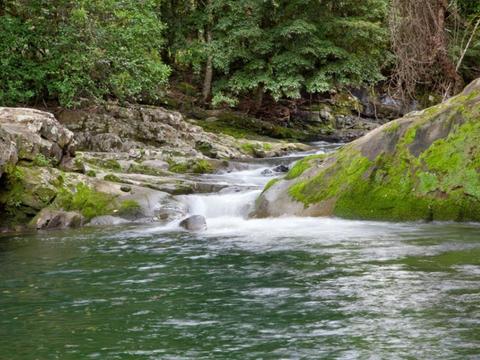
Forest-lined pools and misty mountains, Allyn River country was home to the Gringai people for thousands of years. The Upper Allyn presents a rare opportunity to experience a diversity of natural environments. To explore and best appreciate the Upper Allyn visitors are encouraged to set aside a whole day. This will involve a round trip of over 100 km from Dungog or Gresford, including significant travel on unsealed roads. Two-wheel-drive vehicles with reasonable ground clearance are suitable for the trip except in wet weather.
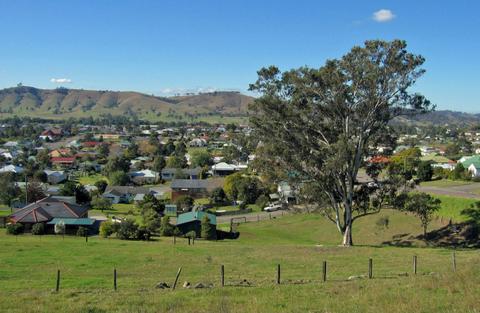
Dungog, is an urban conservation area. With its old shops and facades, many dating from the late 19th and early 20th centuries, it has a somewhat period or old world look and feel. Blue plaques on many buildings around Dungog will take you on a self-guided walk featuring historic buildings and other significant sites. Dungog can be an ideal base for exploring the countryside to the north, where you will find Chichester Dam, Chichester State Forest and Barrington Tops National Park.
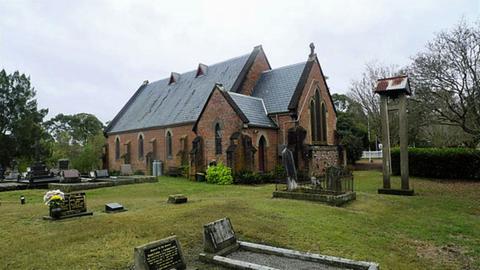
There is a slight complexity about Gresford, there are actually two small villages with the name 'Gresford'. It appears that Gresford was the original township, as it is older and is the location for the school and local Anglican church. But East Gresford is much larger and has the main shopping area. The two villages, Gresford and East Gresford are separated by two kilometers. Their main attraction is their access, to the southern reaches of the Barrington Tops National Park. The first land grants were 'Camyr Allyn', issued to Charles Boydell (now Gresford) and 'Cawarra', made out to George Townshend (now East Gresford). These early settlers were Welsh. Charles Boydell and George Townshend were neighbours in Wales and came to Australia on the same ship. Gresford is named after a town on the Allyn River in North Wales.