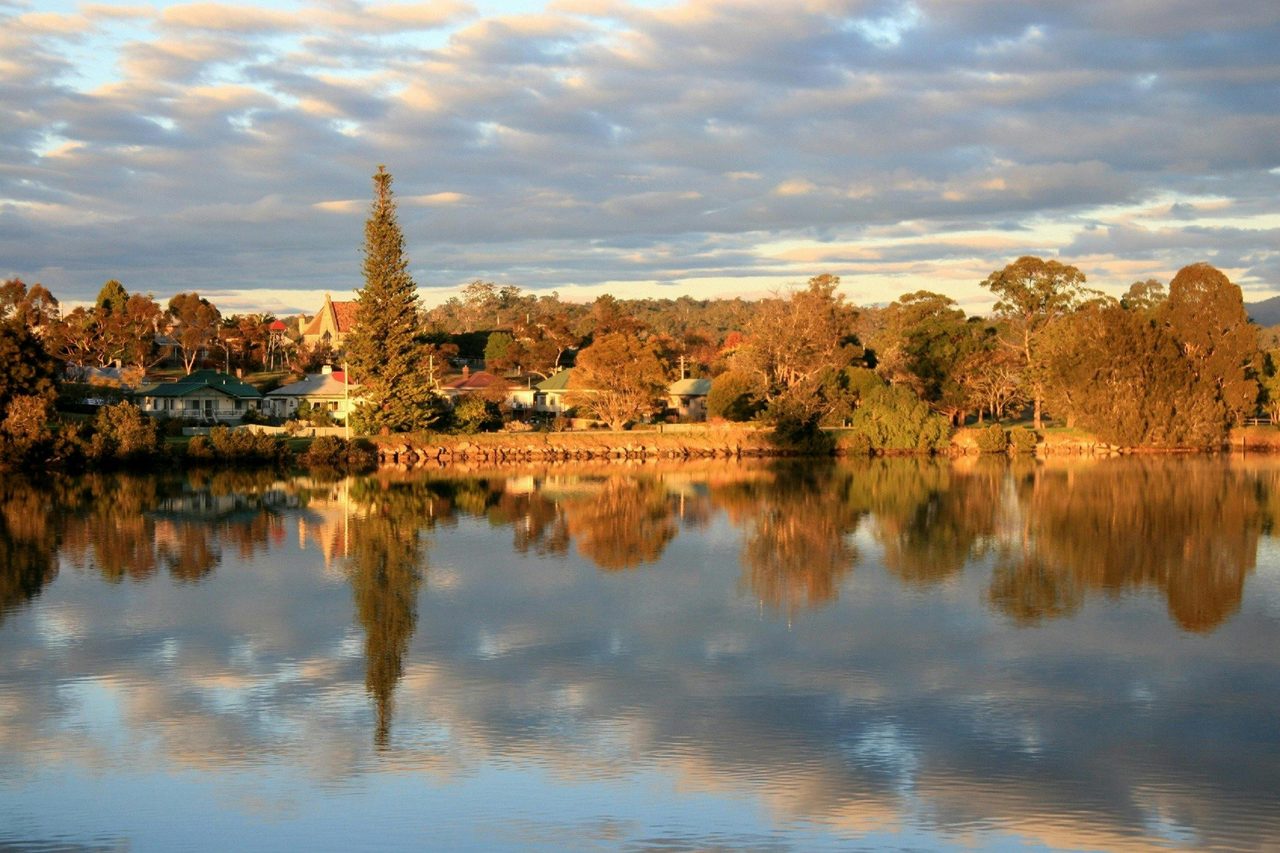
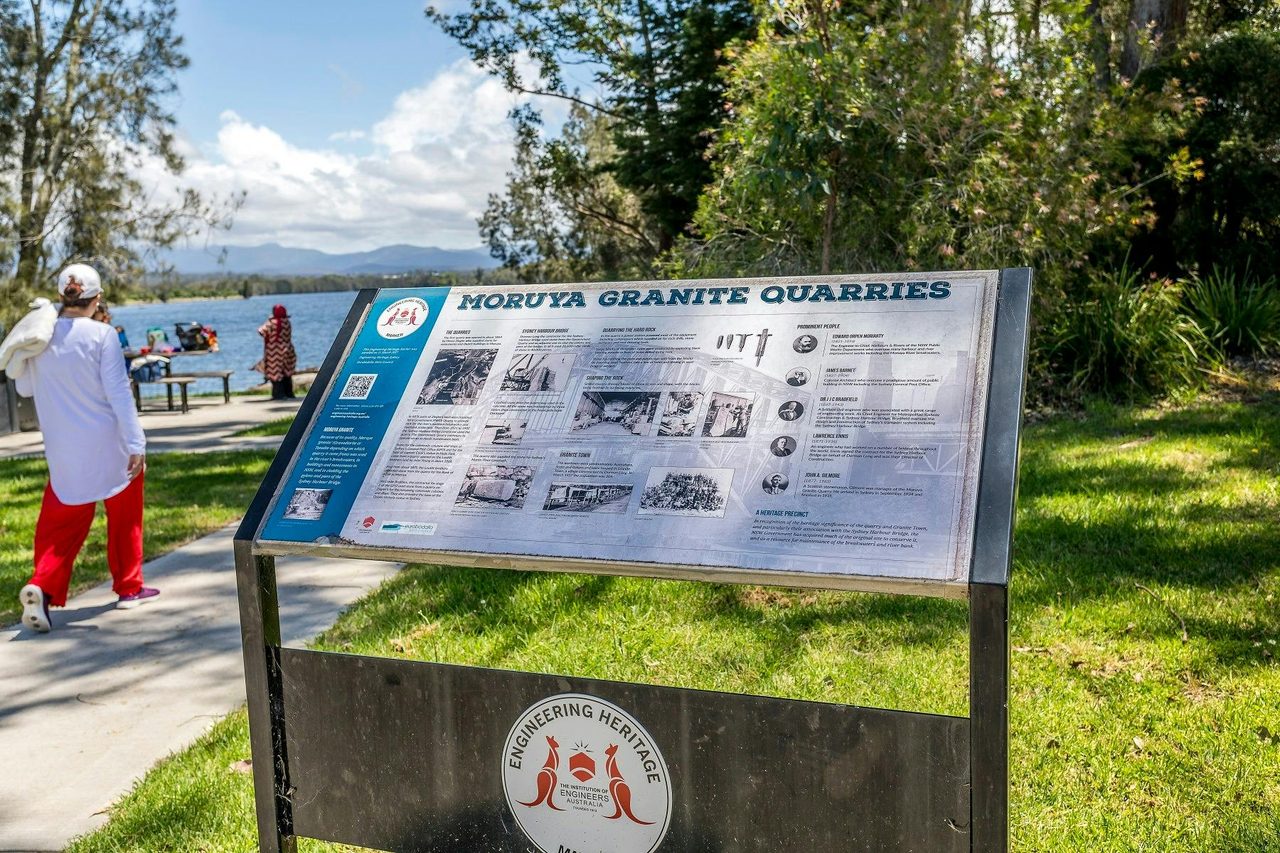
Moruya Heritage Area on the Eurobodalla South Coast is best known for its granite, which has been quarried since the mid-1800s and was used to build the pylons of the iconic Sydney Harbour Bridge. Between 1925 and 1932, more than 250 stonemasons from 13 countries, employed by Dorman, Long and Company, supplied, cut and dressed the granite slabs.
A flood in the early 1840s scoured the sandbar and opened the Moruya River to shipping, and the government abandoned Broulee in favour of Moruya, gazetted as a village in 1851. The river's deep channels shifted often and vessels regularly grounded, so a pilot was stationed at Moruya South Head from 1860. Moruya became an important port for the Araluen goldfields and the district's producers, and grew into a regional and administrative centre.
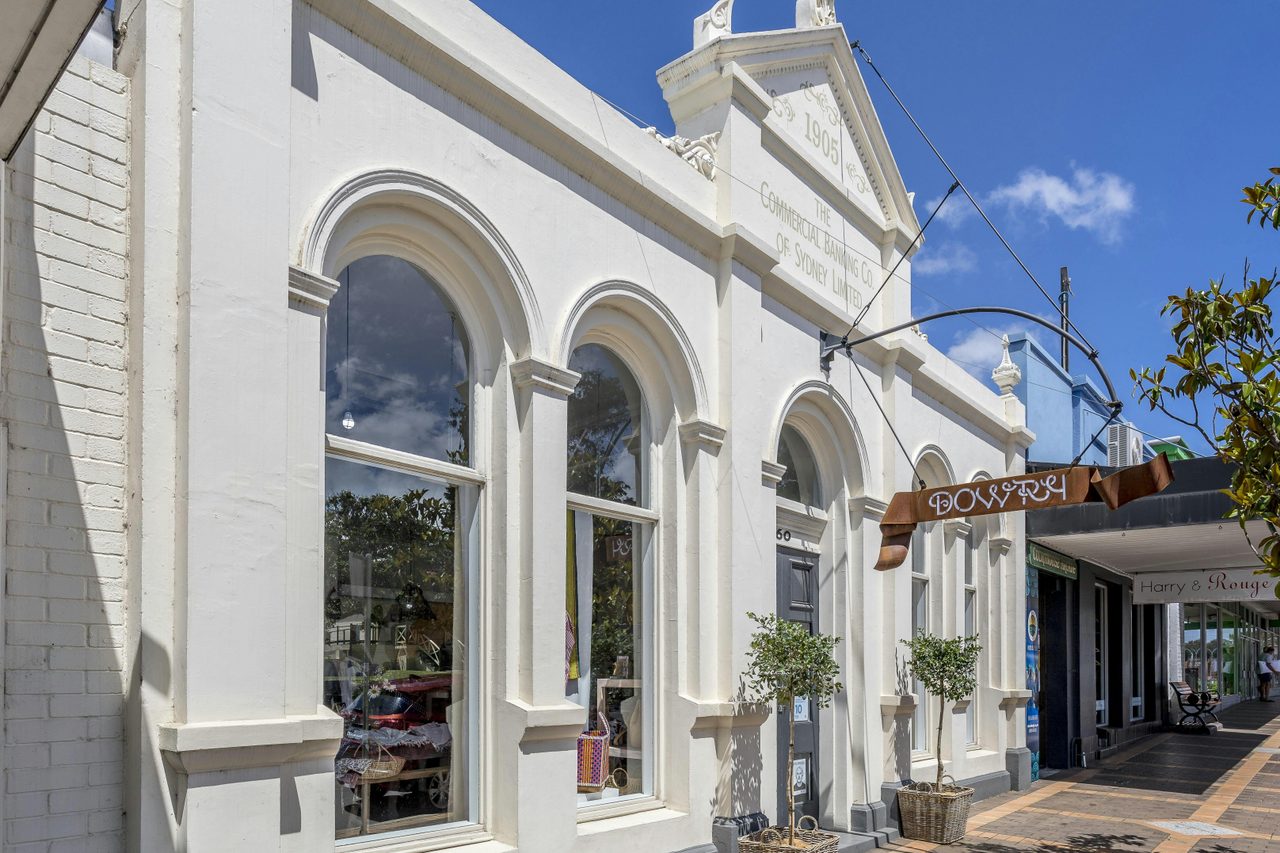
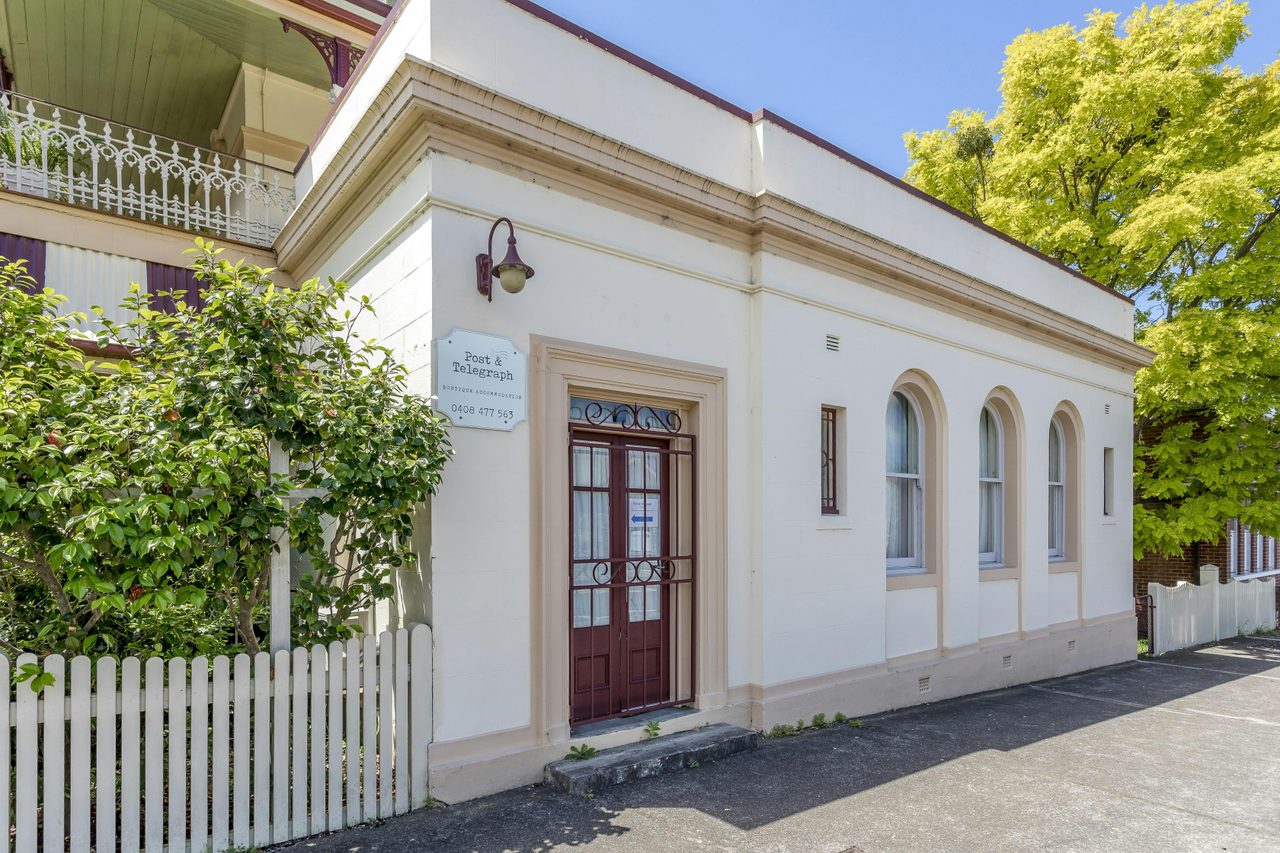
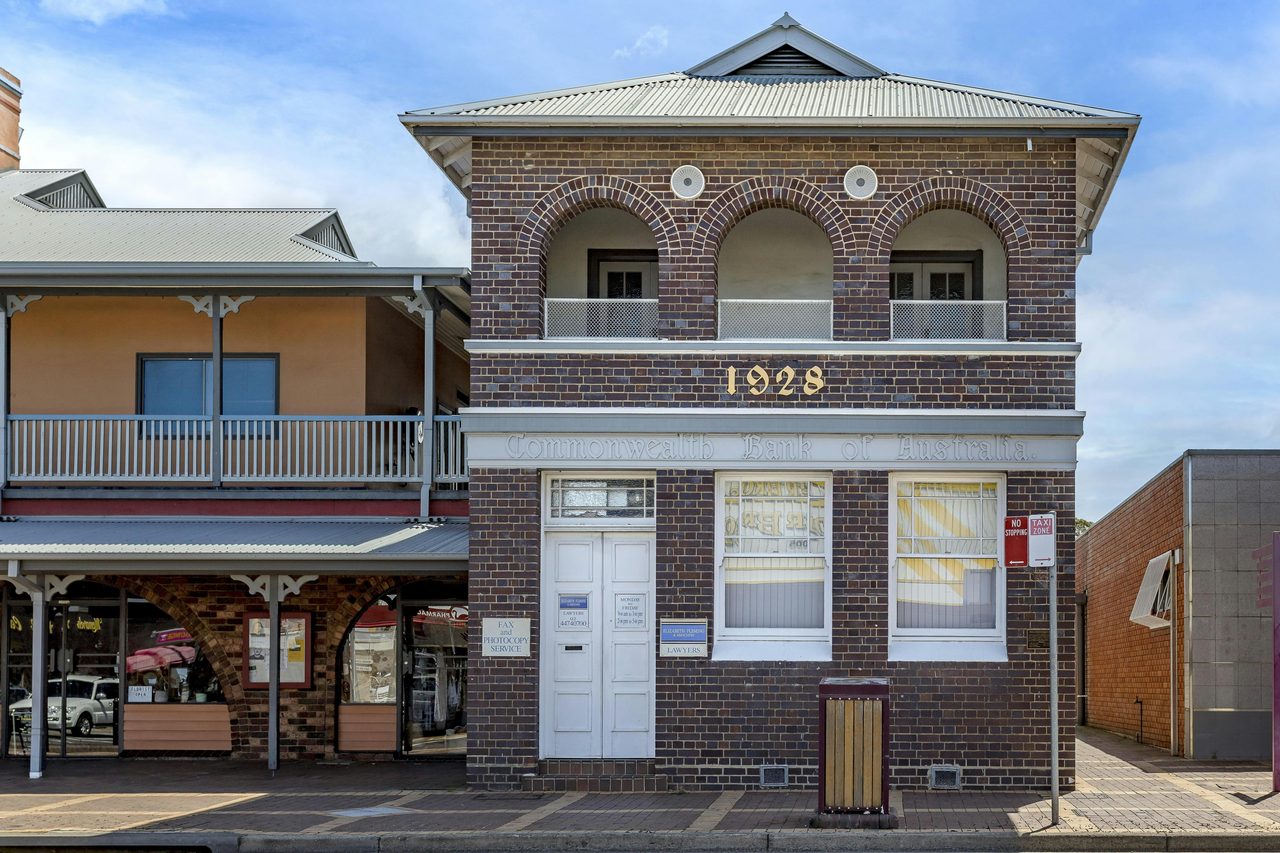
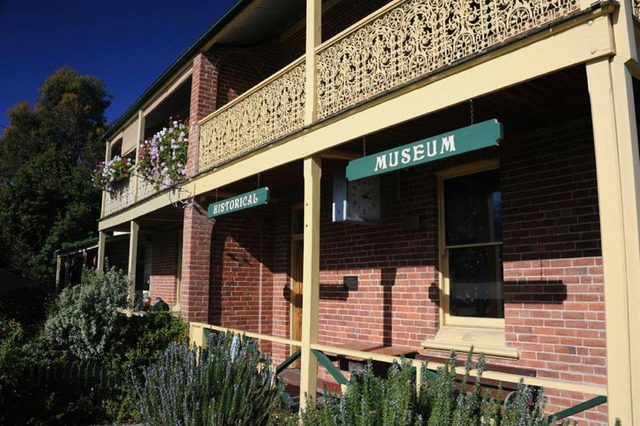
Today, visit the Moruya Museum to see the State Heritage-listed Abernethy and Co stonemason's lathe, then follow the Historic Town Walk past Moruya's delightful historic buildings.
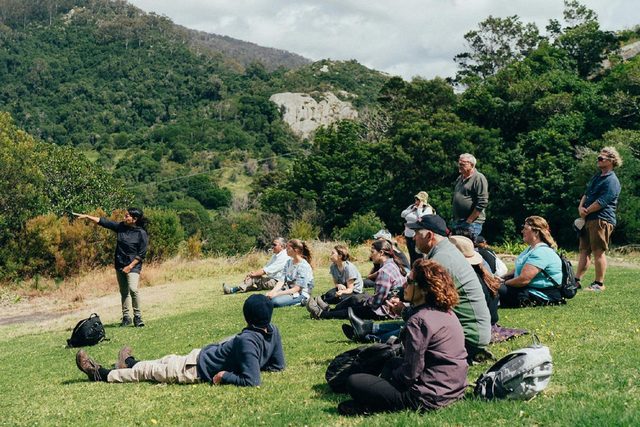
Drive to Moruya Heads (Toragy Point), where the former Pilot Station (1861-1953), now a private residence, stands nearby, or walk the beautiful 14-kilometre Bingi Dreaming Track from Congo to Coila Lake, linking camp and ceremonial sites, water and food sources