Image
Image
Image
Image
Gallery showing 4 of 4 images
Wallumatta Nature Reserve
Checked 13 Oct 2026, 8:05 am
No current alerts or closures are published for Wallumatta Nature Reserve.
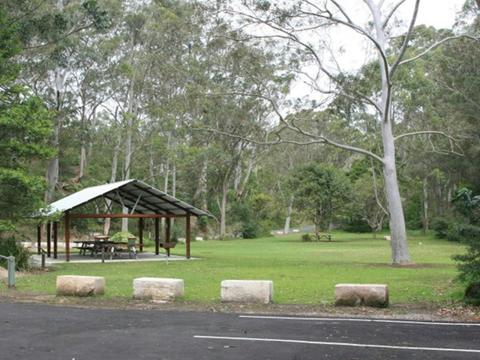
A short drive from Sydney CBD, the unique open forests of Wallumatta Nature Reserve offer a quick nature getaway with bushwalking and birdwatching, near Ryde.
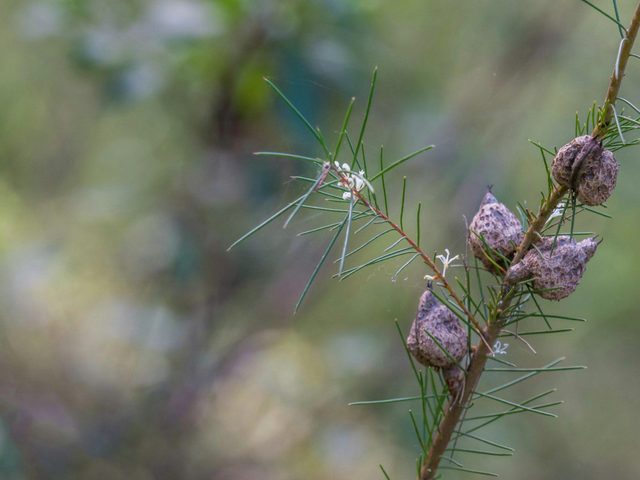
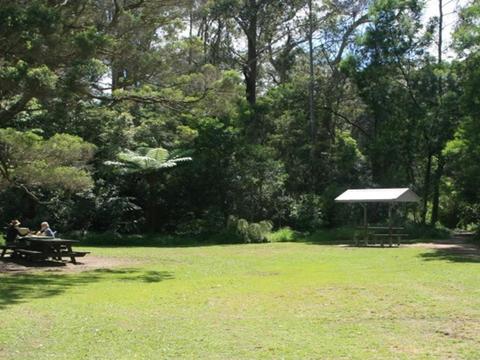
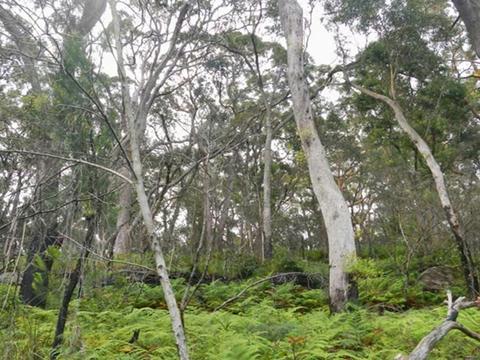
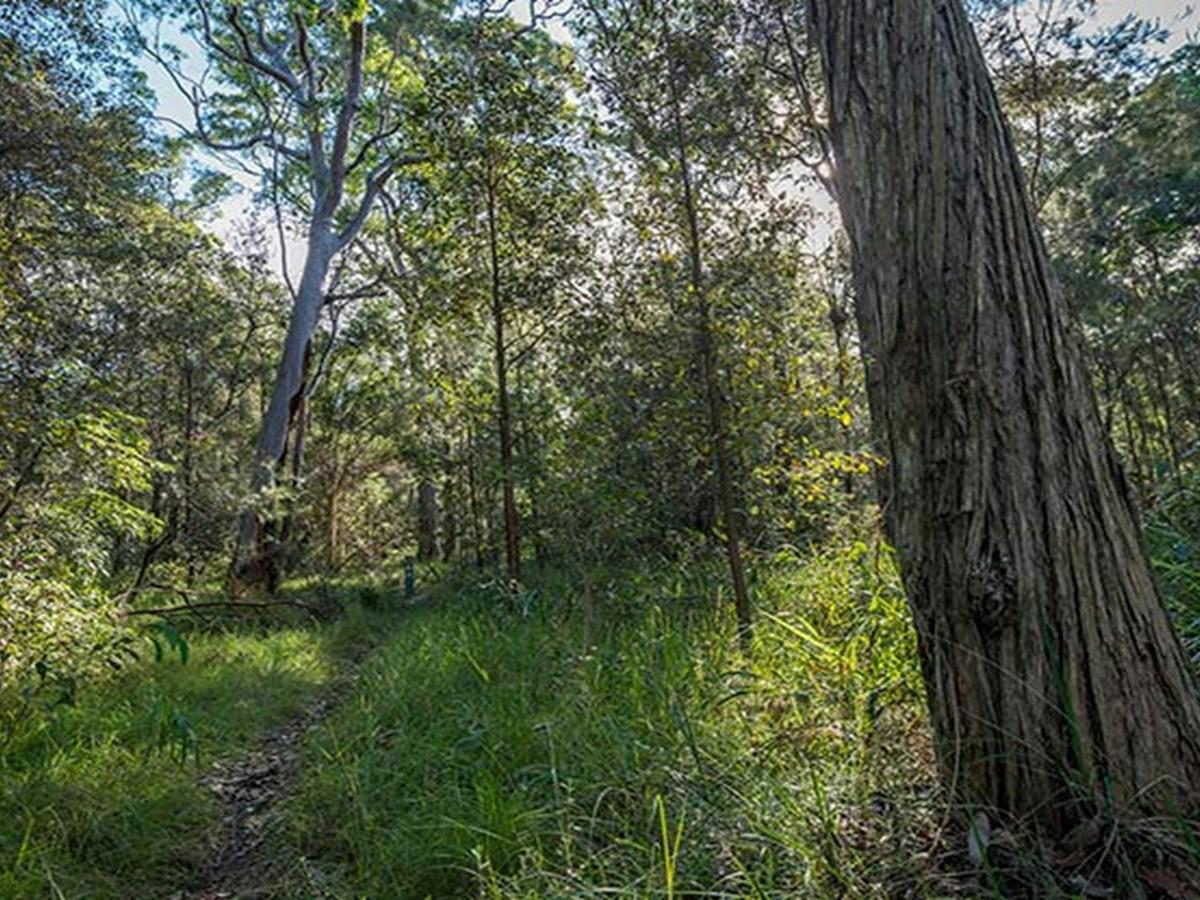
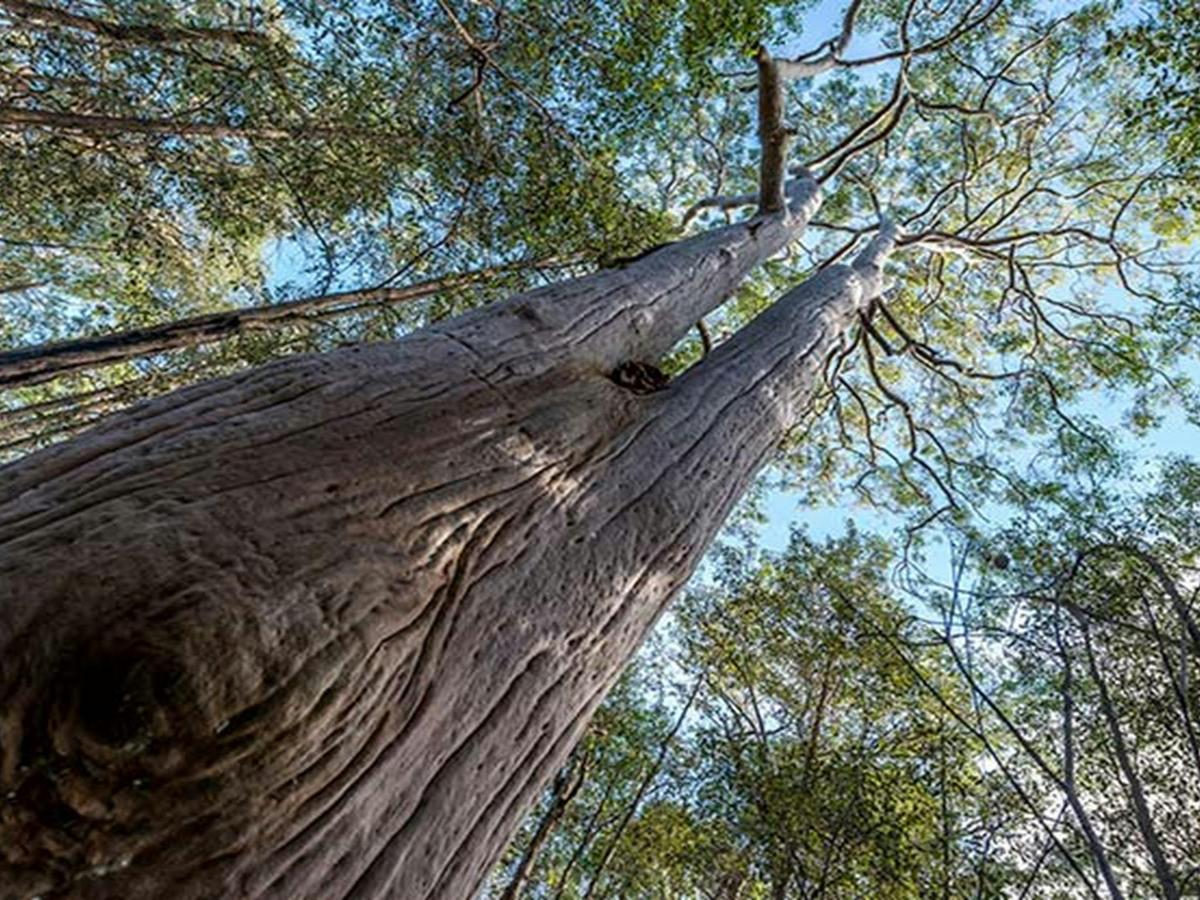
For a quick nature getaway without leaving town, Wallumatta Nature Reserve, near Ryde, protects the largest remnant forest of the Sydney turpentine and ironbark forest. Only 10km from the Sydney CBD, you’ll soon discover why it’s much-loved by locals as well as those keen on birdwatching and bushwalking.
The reserve was historically set aside as part of the Field of Mars Common in 1804 and again, in the 1980s, it was saved from housing development. Now it’s a tranquil bush oasis nestled in the suburbs and an important resource for environmental education and scientific research. Popular with botanists and school groups alike, local bush regeneration groups help to preserve this valuable original bushland.
With over 30 species of native birds, birdwatching is a must during your visit. While walking, keep an eye out for black-shouldered kites, masked lapwings and the vibrant blue-winged sacred kingfisher.
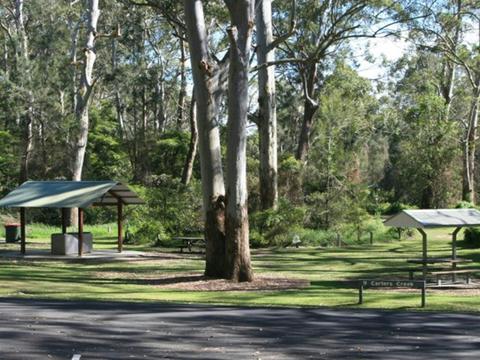
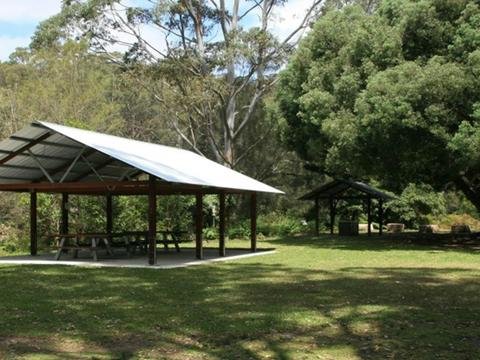
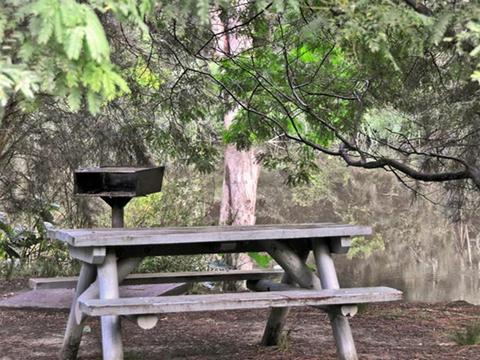
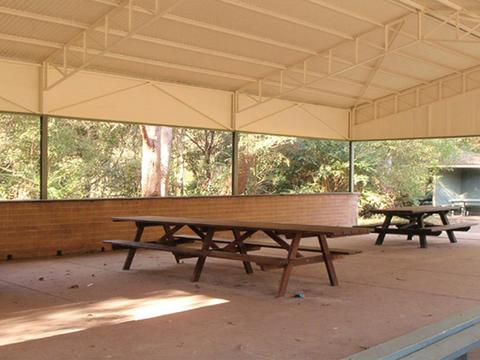
Access, facilities and practical details.
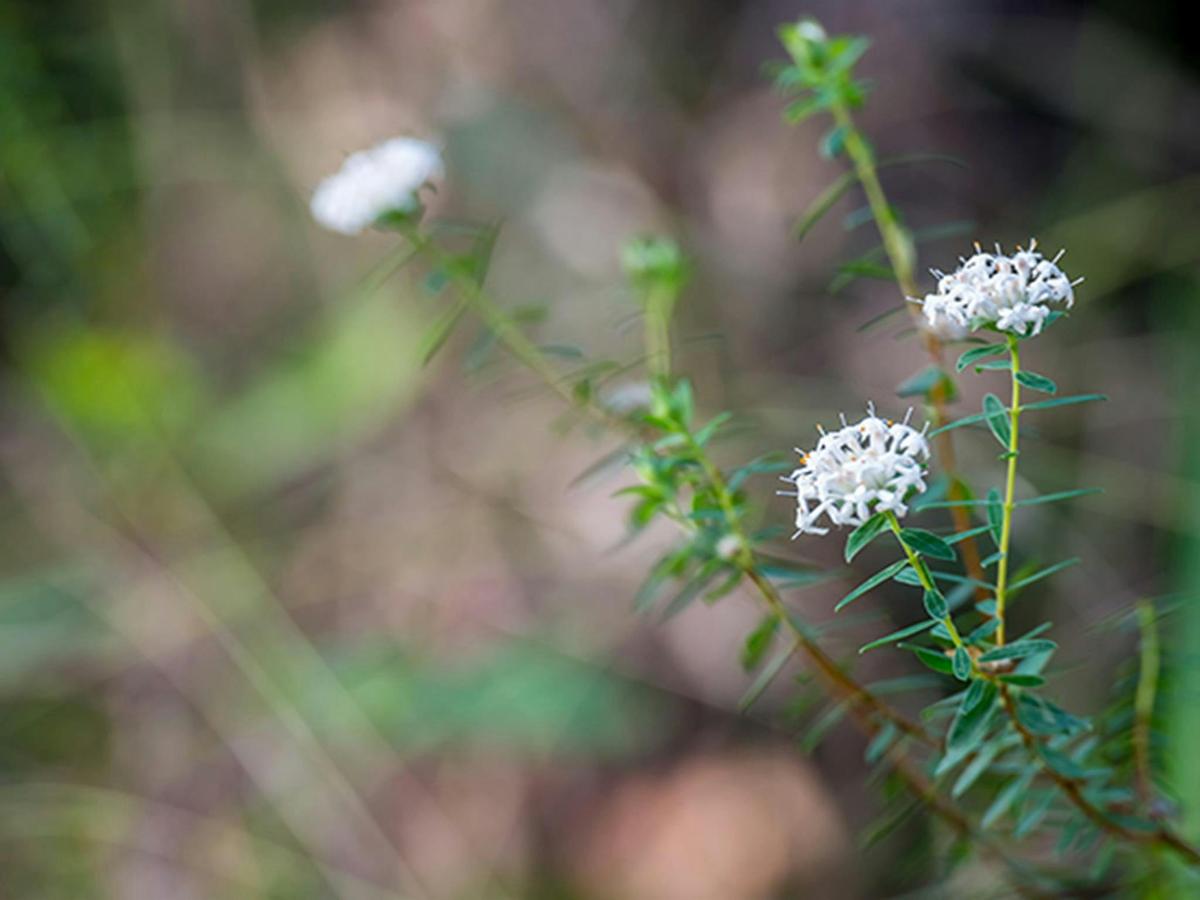
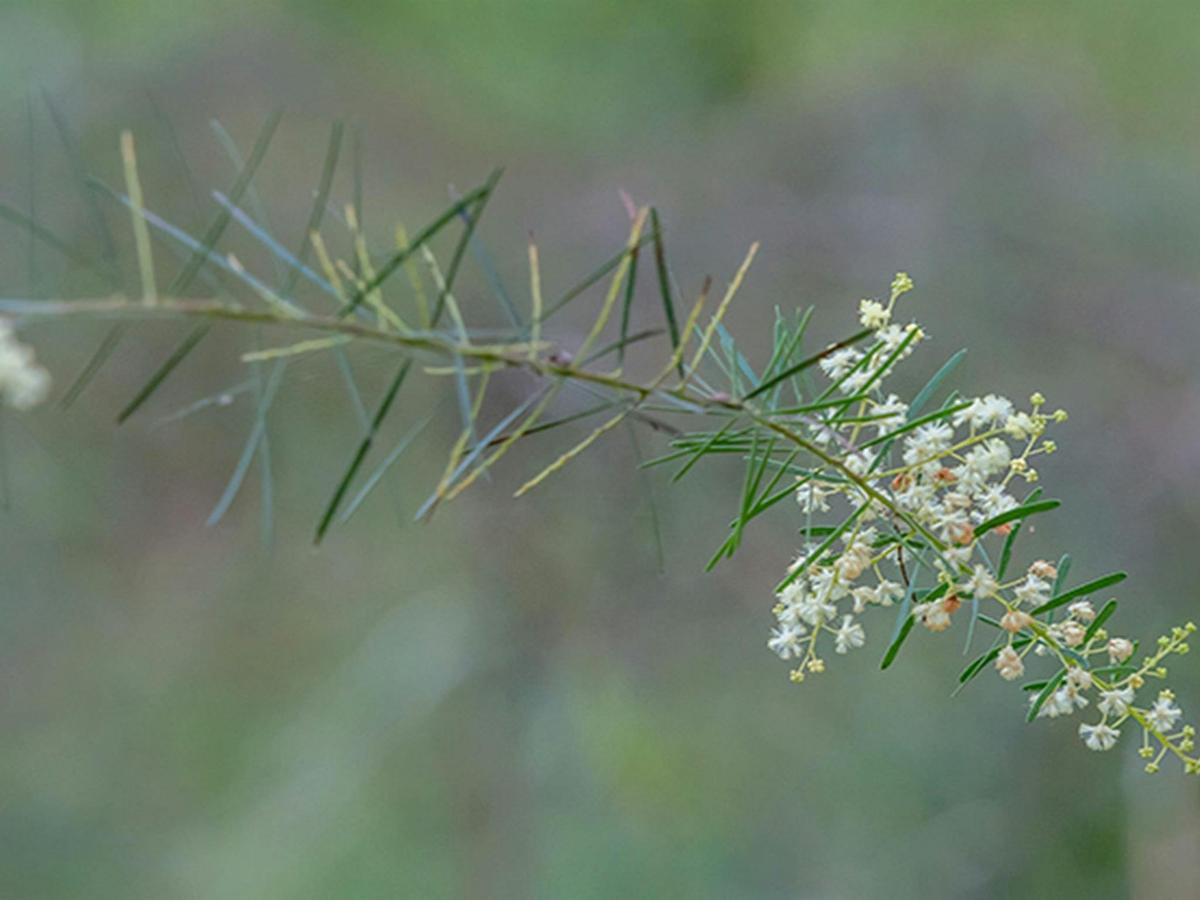
Spring is a great time to explore as many of the native plants are in flower.
Escape the heat with a relaxing stroll through the shady forest.
Take your camera for some excellent shots of birdlife as they nest and forage throughout the open forest. It's a great time for a spot of birdwatching.
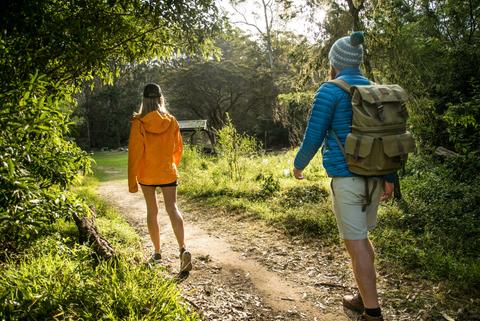
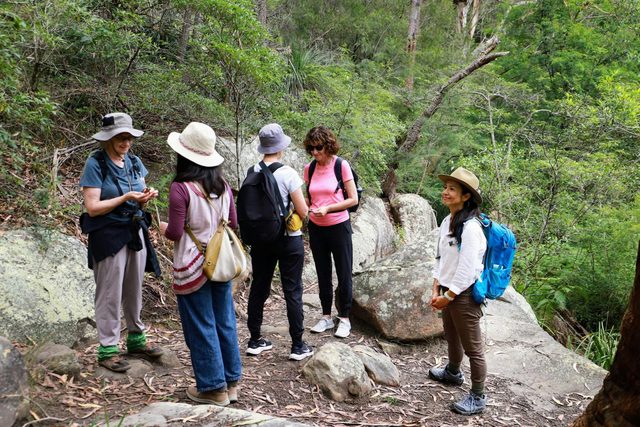
Enjoy a brisk walk through the forest or link with the local Bushcare volunteers who help preserve this unique forest remnant.
Grade 3 · Moderate · 0.6km loop · 15 - 45min
Be the first to share your experience!
Nearby towns
Balmain (10 km) · Parramatta (15 km) · Sydney City Centre (16 km)
Phone
1300 072 757Website
Visit websiteLane Cove National Park Office
02 8448 0400npws.northwesternsydney@environment.nsw.gov.auLane Cove National Park, 2 Max Allen Road Lindfield NSW 2070
Monday to Friday, 9am to 4pm
North Ryde NSW 2113