Image
Image
Image
Image
Gallery showing 4 of 4 images
Biamanga National Park
1 current alert · Checked 13 Oct 2026, 9:05 pm
Mumbulla Creek Road closed to heavy vehicles - Light Vehicles only
National Parks and Wildlife Service (NPWS) advises visitors that a section of Mumbulla Creek Road is currently not suitable for heavy vehicles and is accessible to light vehicles only until further notice.
Visitors travelling to Biamanga Cultural Area are advised to use the eastern access route via Whittles Road, Smiths Road, and Lizard Road, then continue along Mumbulla Creek Falls Road. This route bypasses Mumbulla Creek Road and is currently the most suitable access to the area.
Please drive to conditions and allow extra travel time if unfamiliar with the route.
Jointly managed by Aboriginal people and the NPWS, Biamanga National Park (bi-a-man-ga) is a significant Aboriginal site filled with dramatic landscapes and places to unwind.
Sacred to the local Aboriginal Yuin People for centuries, in May 2006 Biamanga National Park was returned to its traditional custodians as part of a joint management agreement with NSW National Parks. What does this mean? It means that when you visit the park, you're visiting a place where decisions about the land are made by Aboriginal people. You're also visiting Aboriginal Country, where the mountains meet the sea and the landscape connects Aboriginal culture and lore. A visit here is both special and unique.
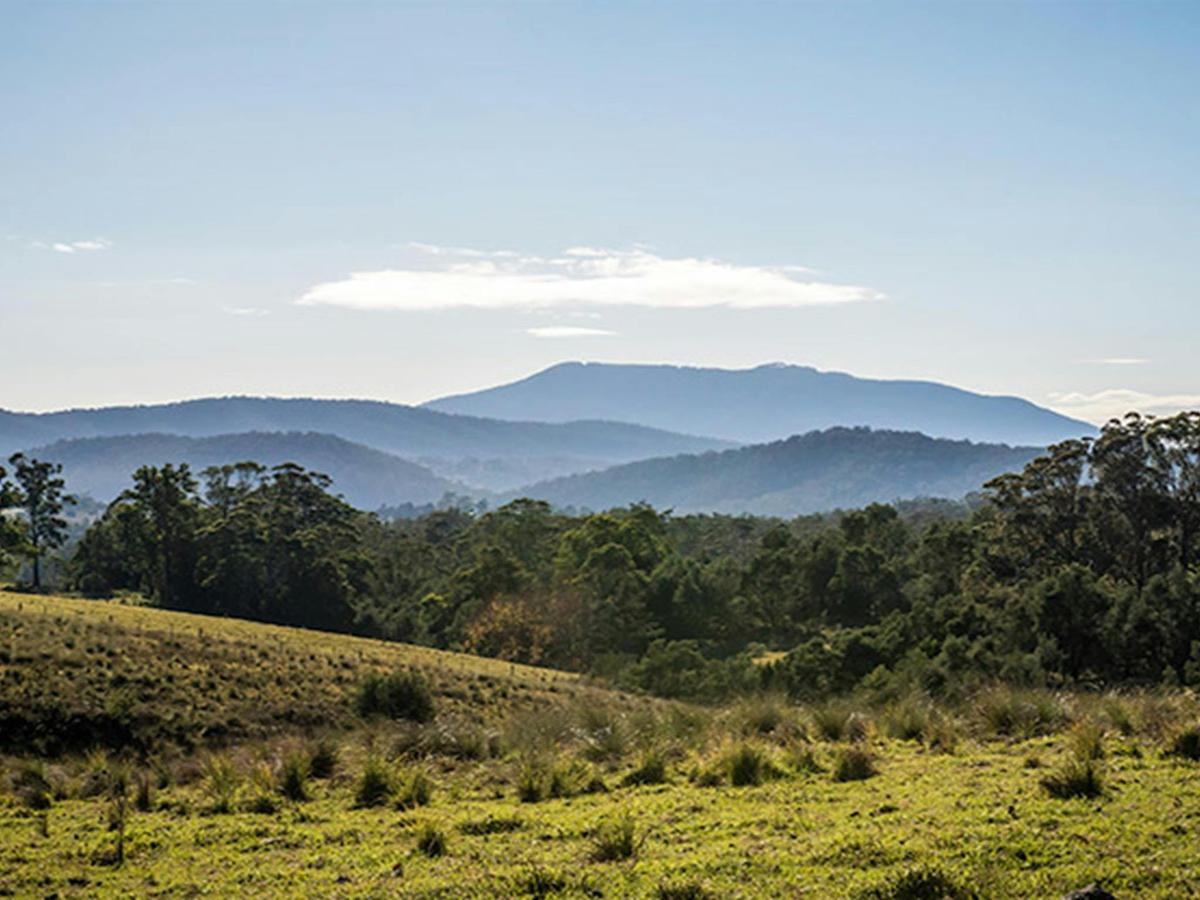
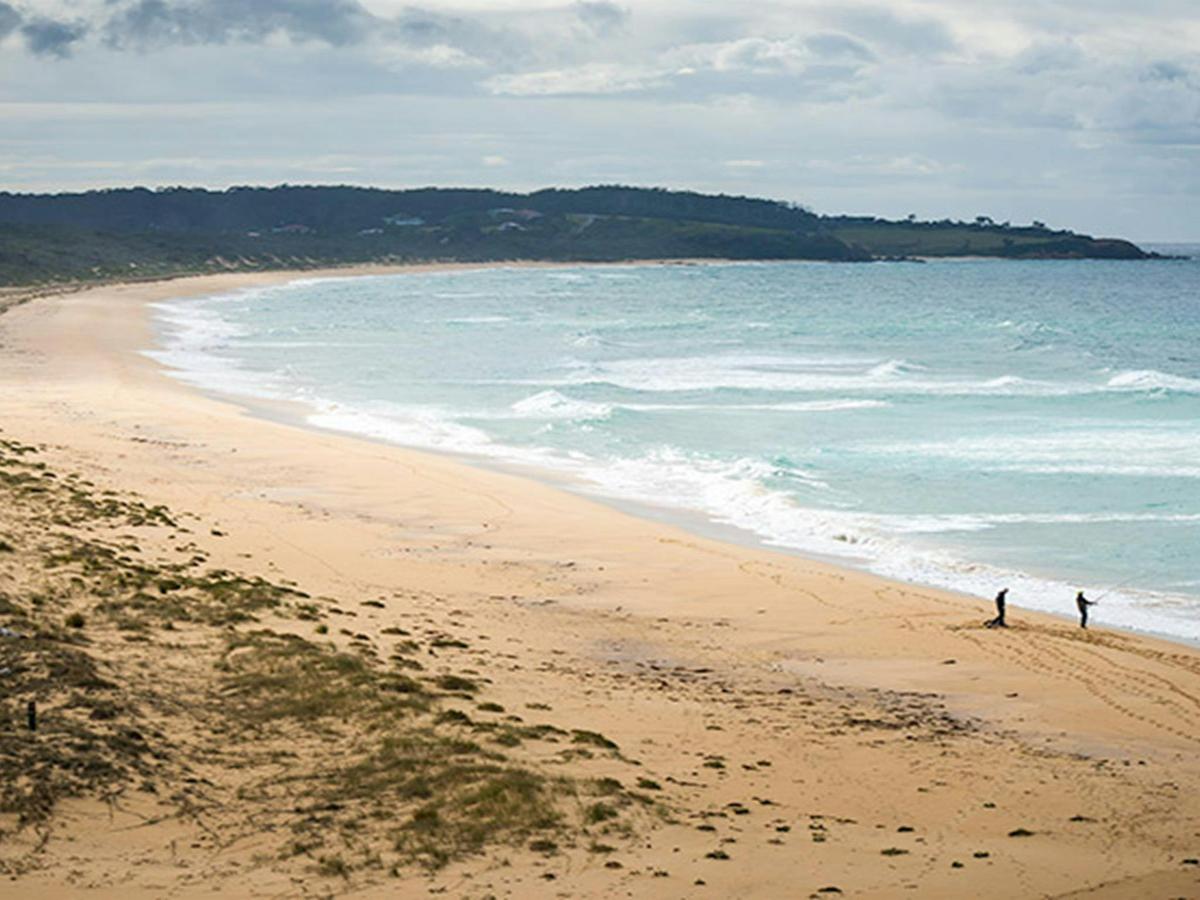
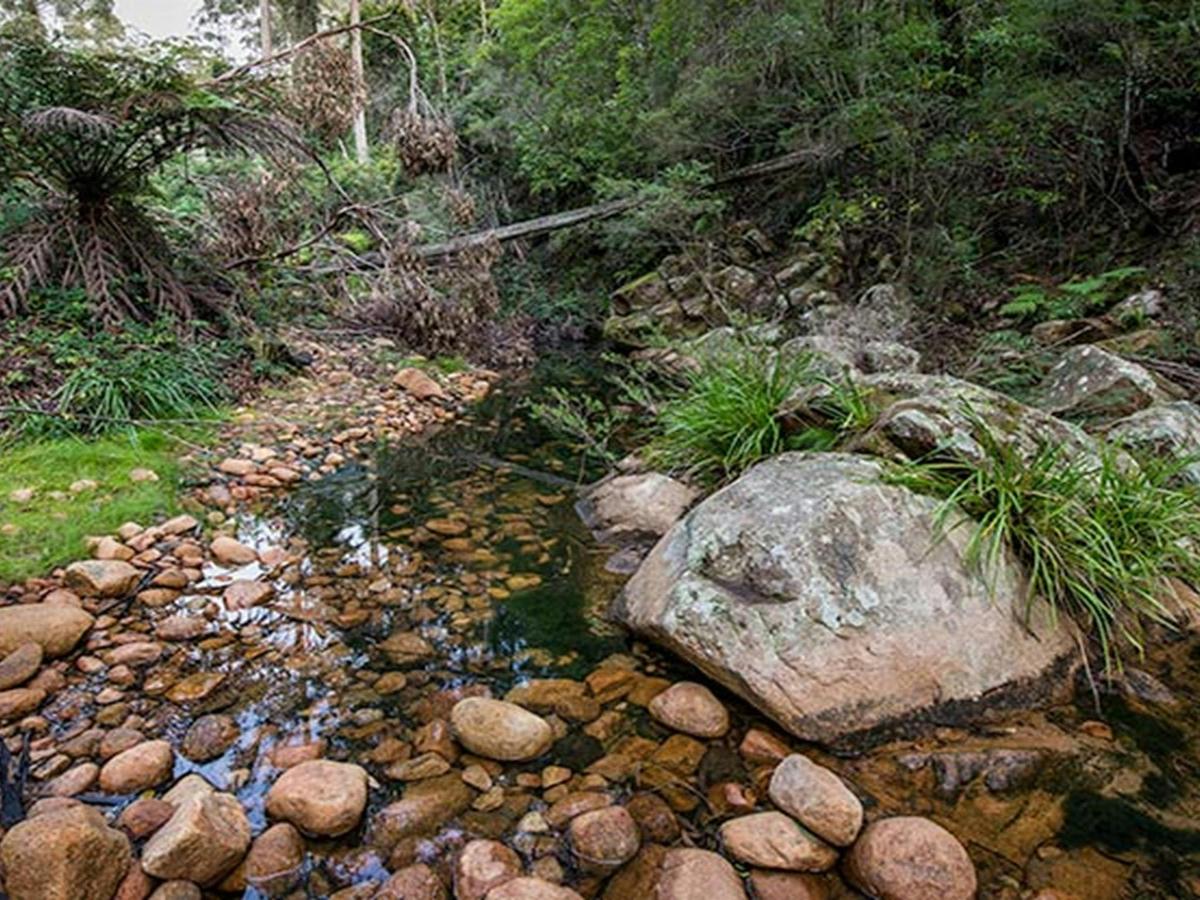
The first thing that strikes you is a sense of remoteness and solitude: though only 20km from the town of Bega, Biamanga National Park is a wild landscape of cascades and granite boulders, ribbon gums and gurgling creeks, not far from the Tasman Sea. Not only does the park feature Biamanga (also known as Mumbulla Mountain) and dramatic river gorges fed by natural springs, it also contains an important area of unmodified coastal foothill habitat. Environmentally speaking, a trip through Biamanga National Park is a step back in time.
There are great opportunities for birdwatching in the park, with species like the azure kingfisher often frolicking in the park. Lookouts provide scenic vantage points, easily reached by short walks suitable for children, and lots of picnic spots mean you can spend an entire afternoon just soaking up the atmosphere. Visiting Biamanga National Park is the perfect way to explore Aboriginal history on the NSW Far South Coast, and offers plenty of reasons to have you coming back time and time again.
Access, facilities and practical details.
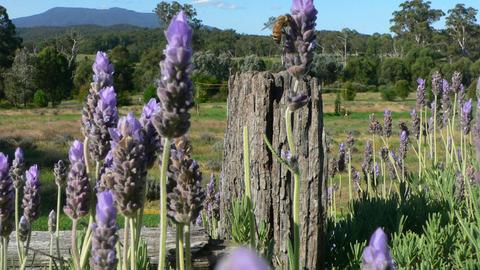
See the chefs cap correa flowers hanging from their stems, and bring binoculars for some excellent birdwatching opportunities.
Escape the heat of the sun by settling down for a picnic in the cool shade near Mumbulla Creek Falls. Goannas are regular visitors in the warmer months.
Stay, explore and relax across the park.
Be the first to share your experience!
Opening
Always open
Nearby towns
Bega (24 km) · Bermagui (57 km) · Eden (76 km)
Phone
1300 072 757Website
Visit websiteNarooma office
02 4476 0800npws.eurobodalla@environment.nsw.gov.au10 Graham Street, Narooma NSW 2546
Monday to Friday, 9am to 4pm; Office open by appointment only; Closed public holidays
Mumbulla Creek Road
Tanja NSW 2550