Image
Gallery showing 1 of 1 images
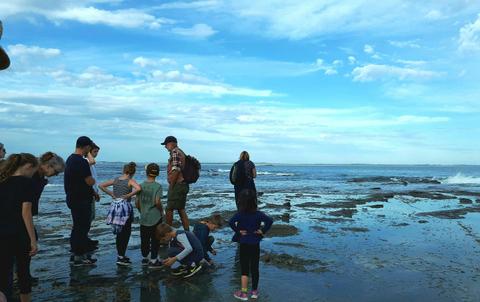
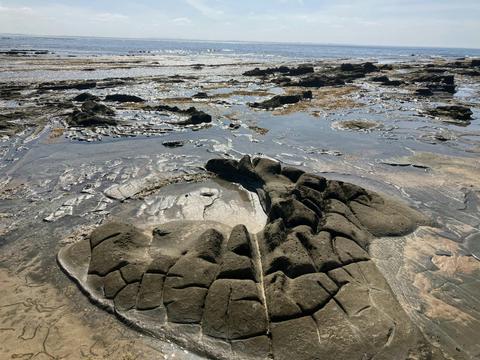
Explore the magical rock pools of the Bunurong Coast at low tide. The experience begins with an introduction and safety briefing at the Bunurong Environment Centre in Inverloch where you learn about the amazing marine life that lives on the Bunurong Coast in the Bass Coast area of South Gippsland. Discover the incredible variety of marine life: Sea stars, crabs, marine snails, anemones, small fish, elephant snails, colourful seaweeds, grasses, marine sponges and more. You then travel to Flat Rocks about six minutes away on the Cape Paterson Road, to explore the rock platforms with their experienced Marine Guide. You might be lucky to see a foraging octopus or their largest sea star.
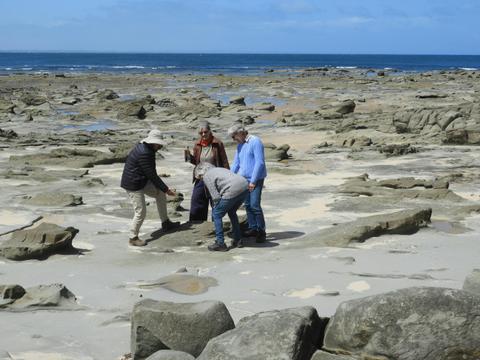
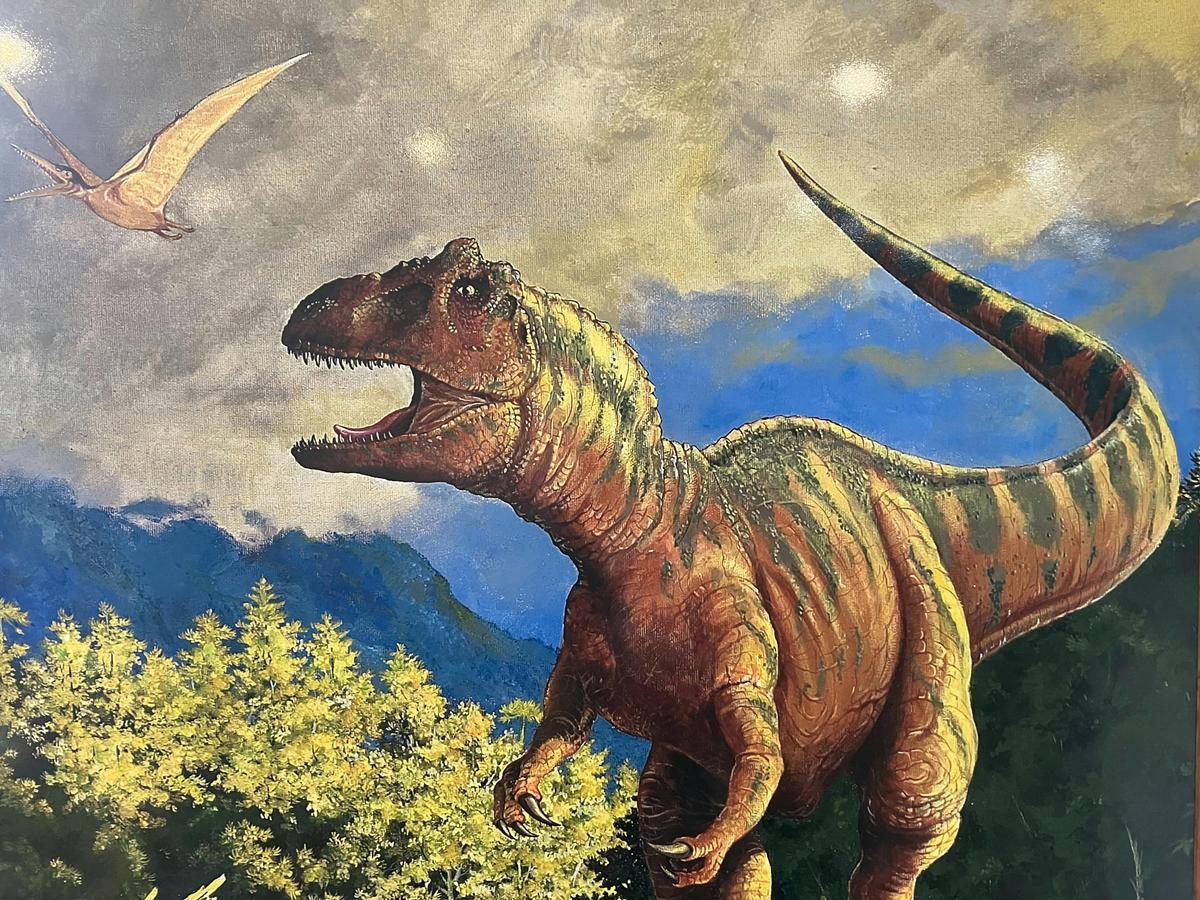
You will discover the dinosaurs that roamed the Bass Coast region and join the hunt for dinosaur fossils, you will also see a dinosaur footprint on the rock platform. This session is presented by an Education Officer from Bunurong Environment Centre. You will see fault lines from ancient earthquakes and petrified trees from the age of the dinosaurs, followed by rock breaking to possibly find a fossil yourself. Following an introduction to the activity and a safety briefing, you will travel to The Caves on the Cape Paterson-Inverloch Road about five minutes away. Participants will need their own transport and footwear suitable for the rock platform. Warm clothing will be needed in cooler weather and sun protection should be worn. After exploring The Caves, rock breaking is held at the Wallace Avenue Community Park in Inverloch. Rock breaking hammers supplied or bring your own. The Education Officer will provide you with directions to The Caves beach and Wallace Avenue Community park during the briefing.
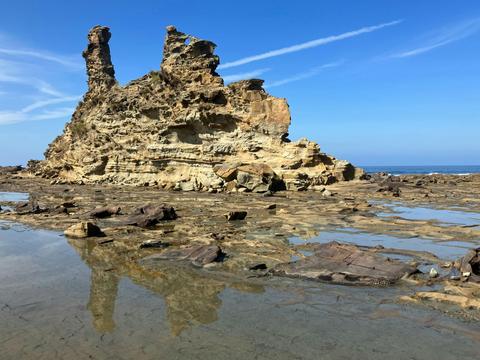
You will visit Eagles Nest, the site of Australia's first dinosaur bone discovery. The Cape Paterson claw is recognised as the first dinosaur bone/fossil discovered in Australia. Found by geologist William Ferguson on May 7, 1903, near Eagles Nest (between Cape Paterson and Inverloch, Victoria), this Early Cretaceous theropod claw was initially thought to be a tooth, but later identified as a dinosaurian claw. You will also see fault lines from ancient earthquakes, petrified trees and hunt for fossils yourself. Following an introduction to the activity and a safety briefing the group will go to Eagles Nest about seven kilometres away.
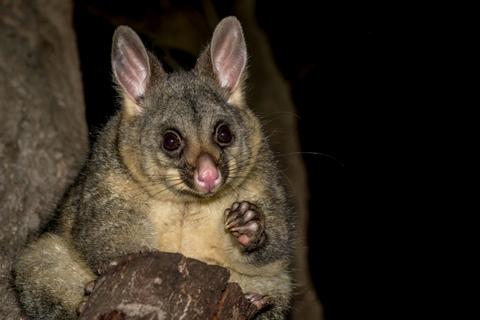
Most of Australia's small mammals are nocturnal with approximately 70% of all Australian mammal species active after dark and the best time to see them is at night. One of the best ways for you to see them is to go spotlighting at night in Inverloch. Here in Inverloch, they are fortunate to have a unique habitat that is home to many interesting animals. You will have the opportunity to see their local Strzelecki Koalas, possums, native bush rats and water rats, owls (can be spotted once their calls are heard), gliders, wombats, and micro bats, which emerge at or after dusk to forage. They can also do a little bit of astronomy weather permitting.
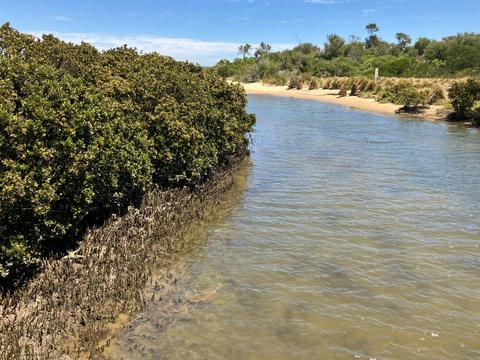
Explore the dynamic estuarine areas of Screw Creek at Anderson's Inlet, Inverloch, where you'll find coastal scrub, open woodlands, mangroves, saltmarsh and mudflats, along with inhabitants of Anderson's Inlet, a significant site for wading birds, fish breeding and endangered species such as the orange bellied parrot. Estuaries form a transition zone between river and ocean environments. Subjected to tides, waves and the influx of seawater, as well as flows of freshwater and sediment, they are some of the most productive natural habitats in the world. You will have an opportunity to use mist nets to sample critters of Screw Creek; beetles, fish fly (aquatic insects) crabs, worms, and our favourite the snapping shrimp. Snapping shrimp measure in at a couple of centimetres, yet their snapping claw can grow to be half the size of their body.
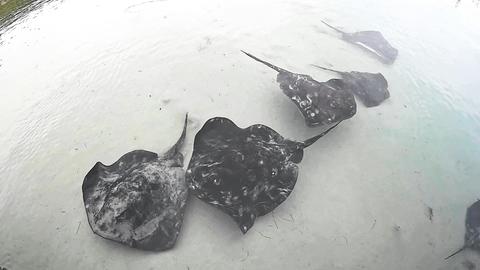
Discover the Smooth Stingrays and other sea life at Inverloch Pier. See large stingrays cruising in the shallow water beneath you. Their eyes are on the topside of their body, and their mouth and gills can be found underneath, learn what stingrays eat, why their life is so good at the pier. Three species of stingray may be at observed at the pier; Smooth or Short Tail Stingray (Dasyatis brevicaudata), Eagle Ray (Myliobatis australis) and the Black Stingray (Bathytoshia thetidis). Anderson Inlet, Inverloch is home to diverse marine and bird life.
1 Ramsey Boulevard
Inverloch Victoria 3996