Image
Image
Image
Image
Gallery showing 4 of 4 images
Copeland Tops State Conservation Area
1 current alert · Checked 13 Oct 2026, 5:05 pm
Notice of 1080 Aerial Baiting Program
NSW National Parks and Wildlife Service (NPWS) is conducting an aerial baiting program from 12 September to 20 September 2026 in the following reserves:
The operation will use 1080 (sodium fluoroacetate) poison for the control of foxes and wild dogs.
The program is designed to minimise predator impacts on wildlife, especially threatened species, and to minimise the impact of wild dogs on neighbouring stock.
Signs will be placed at authorised entrances to the baiting location. Domestic pets are not permitted in NSW National Parks and most other NPWS managed land. Pets and working dogs may be affected (1080 is lethal to cats and dogs). Pets and working dogs must be restrained or muzzled in the vicinity and must not enter the baiting location. In the event of accidental poisoning seek immediate veterinary assistance.
Please contact NPWS Gloucester Office on 02 6538 5300 or Scone Office on 02 6540 2300 for more information.
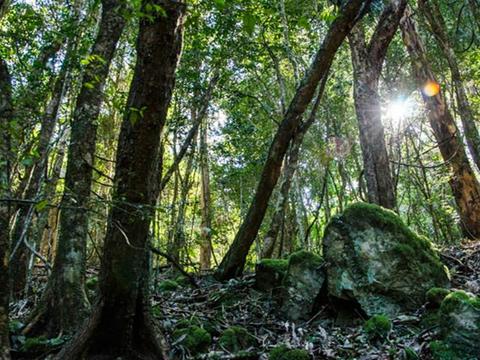
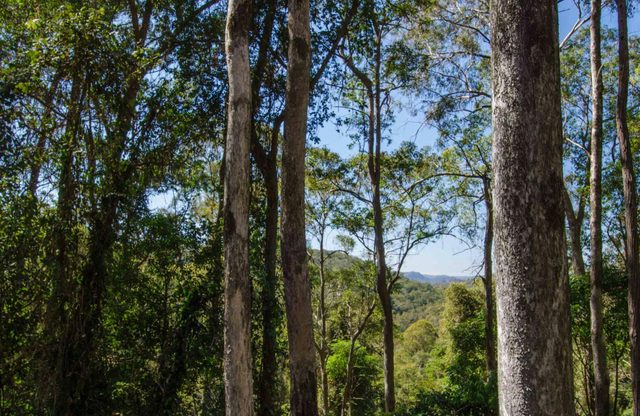
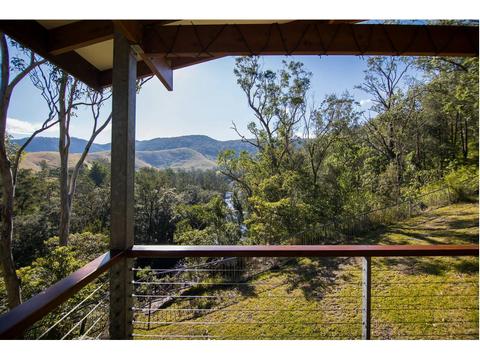
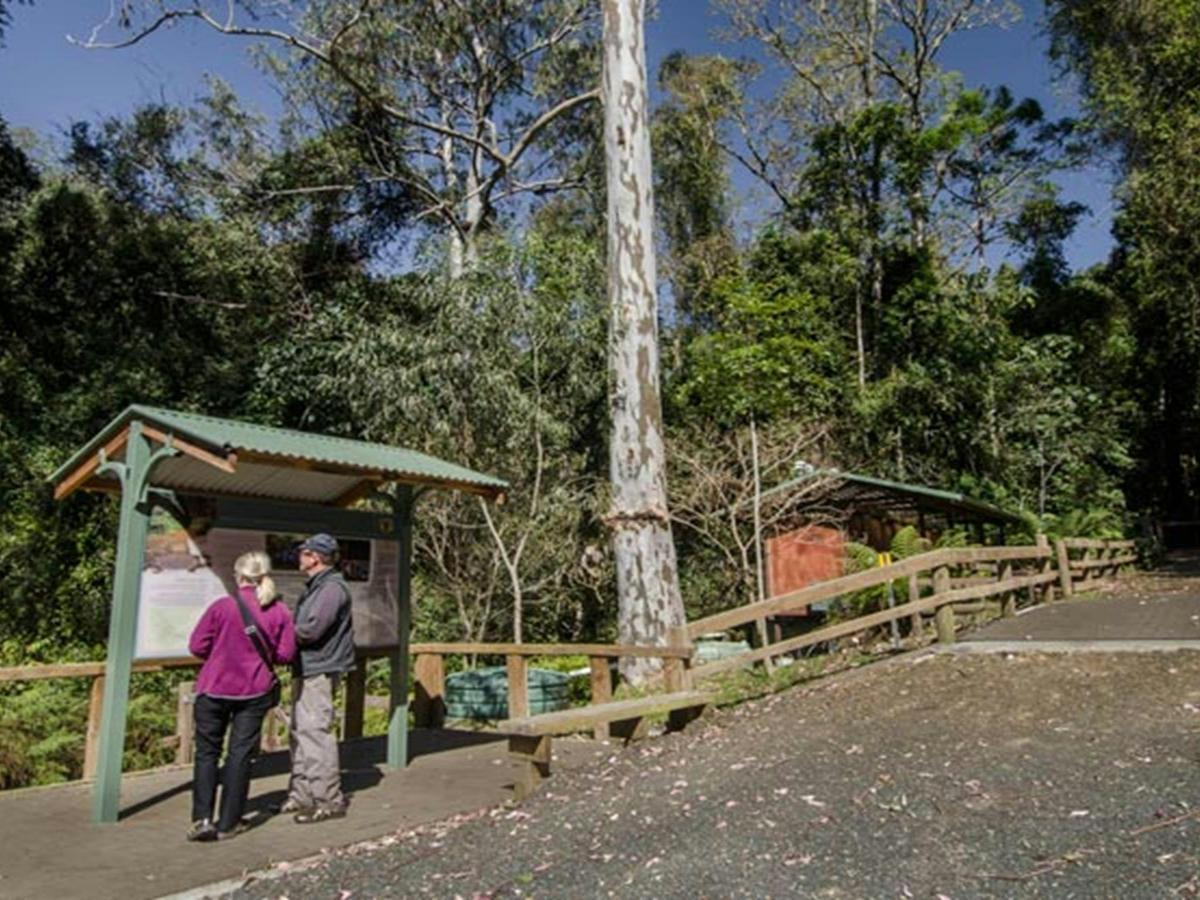
In the foothills of Barrington Tops, Copeland Tops State Conservation Area offers rainforest walking tracks, picnic areas, birdwatching and guided tours at a historic mine that are great for school excursions.
Two types of gold have been discovered within the New South Wales area now known as Copeland Tops State Conservation Area. The first was ‘red gold’, which was red cedar highly sought after by Australia’s European settlers. It was the early explorers who came to log along these mountain ridges who then discovered the shiny type, and goldmining took off too. Although conditions would have been tough back then in this rugged and remote area, you’ll discover that it’s actually a beautiful place to have worked in.
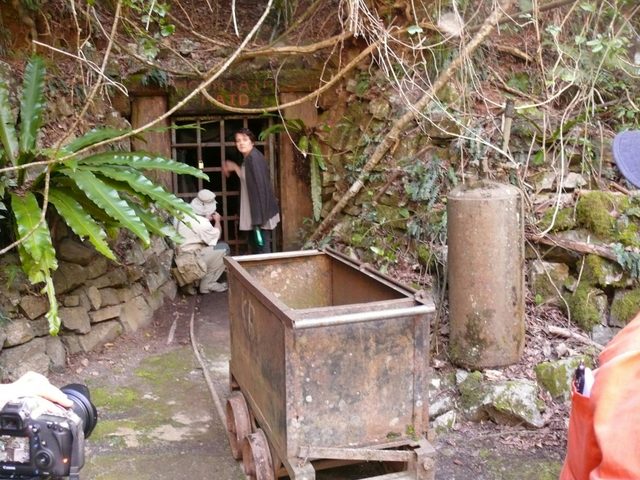
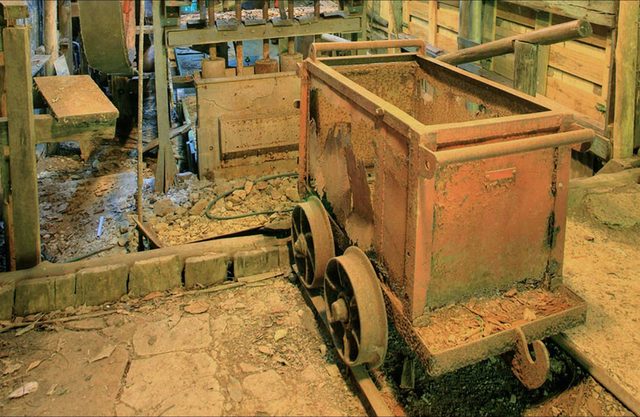
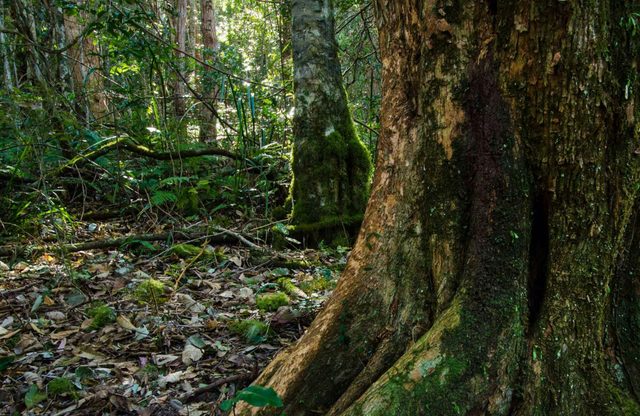
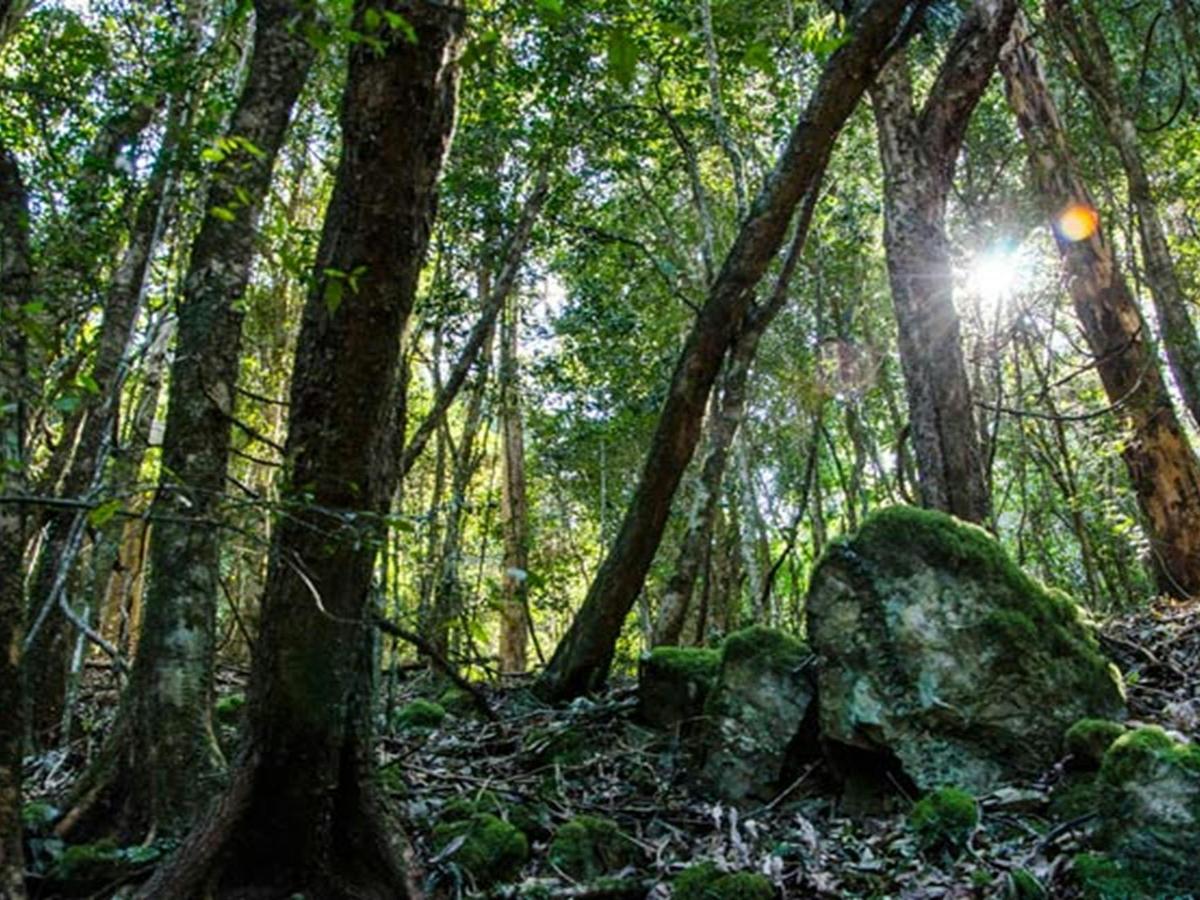
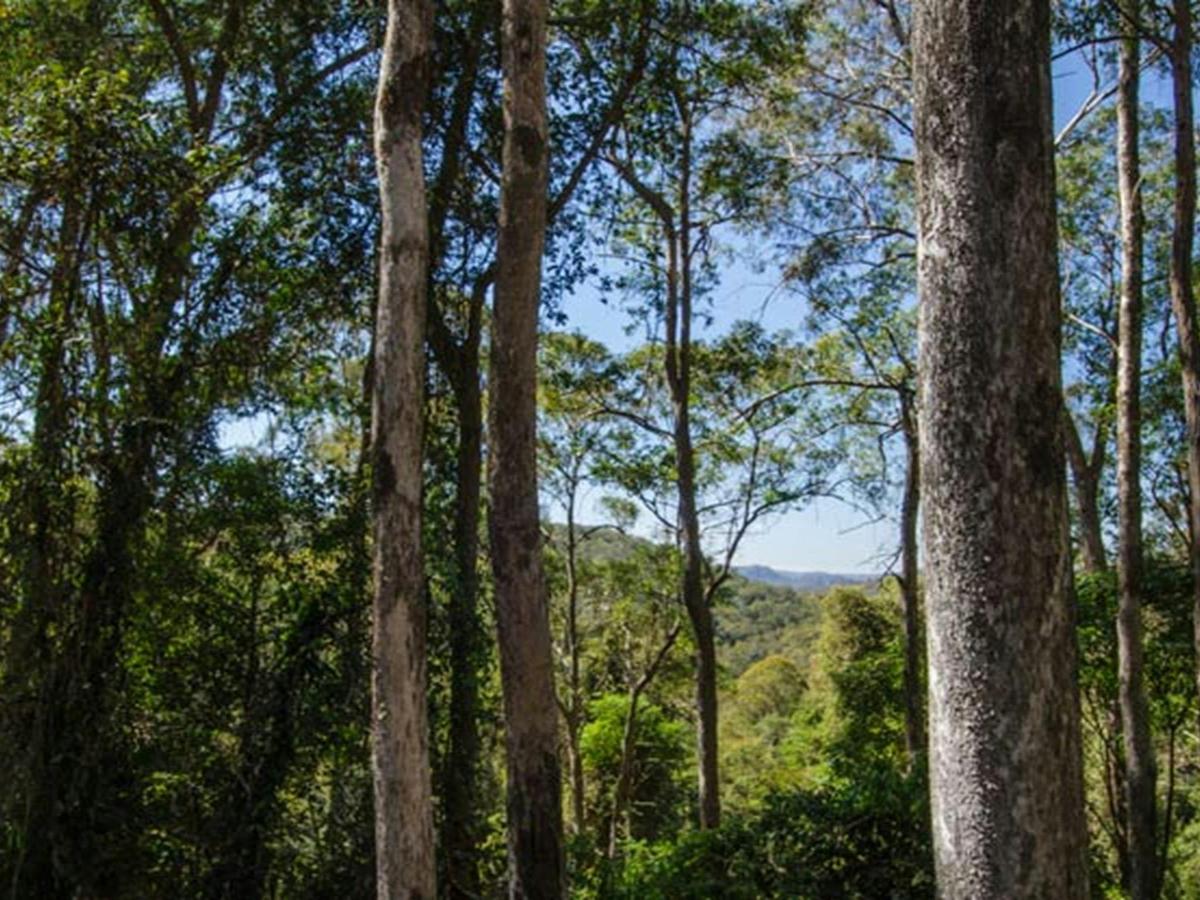
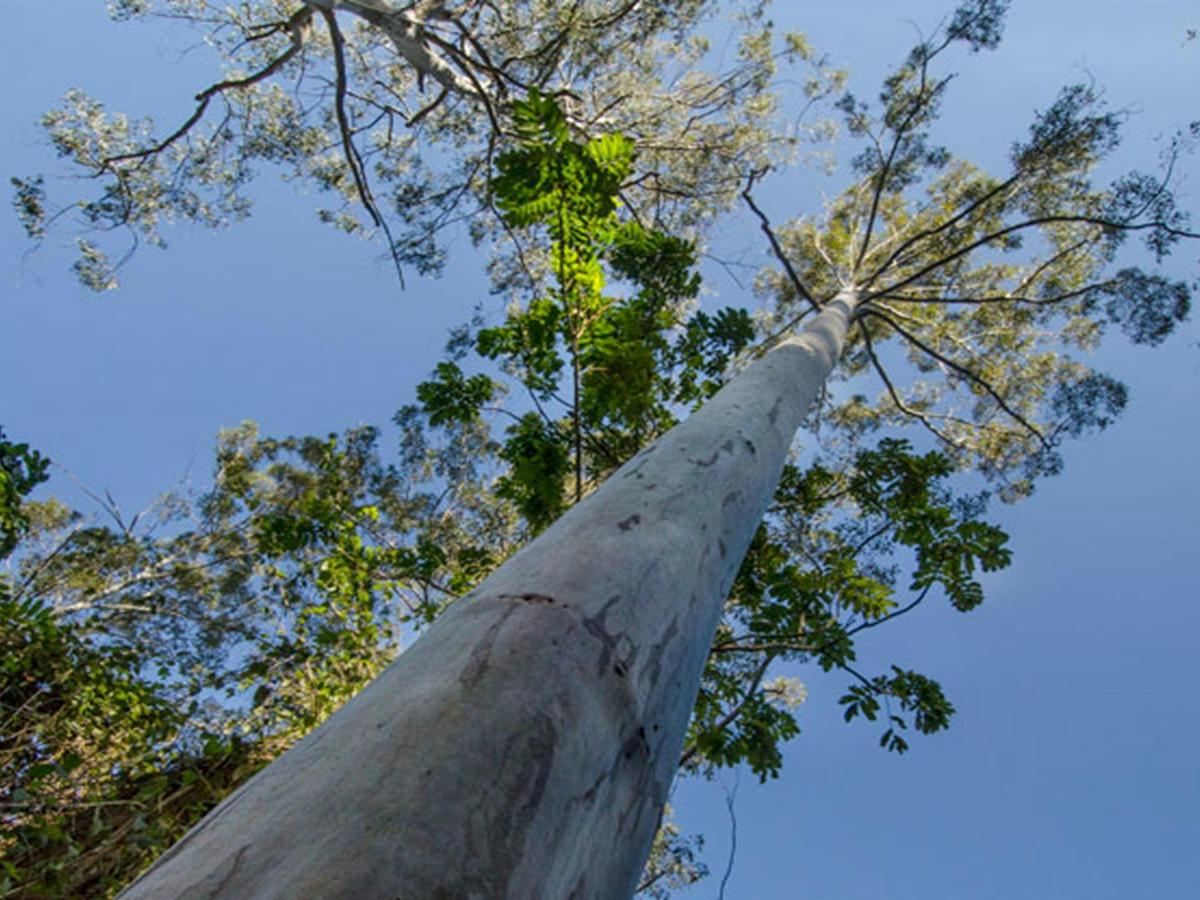
Copeland Tops, home to the most accessible tract of rare dry rainforest in the Gloucester district, is simply gorgeous. Hike along old logging tracks beneath a canopy of towering trees on one of the park’s scenic walking trails. There are plenty of great places to picnic. To learn more about the area’s mining heritage, join one of our Discovery tours of Mountain Maid gold mine.
Access, facilities and practical details.
This season offers mild walking conditions as well as the chance to witness bird migration. For instance, the wompoo fruit-dove – Australia's largest fruit dove – migrates from lower elevations in winter to upland forests in the warmer months.
There's nothing like rainforest to keep you cool; it's always several degrees less beneath the protective canopy, so enjoy following the park's walking tracks and finding shady places to picnic during the hotter months. The park's raised elevation also contributes to these milder conditions.
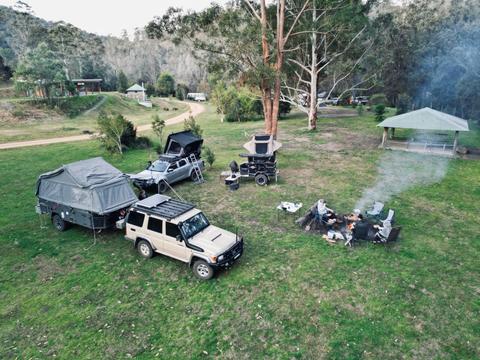
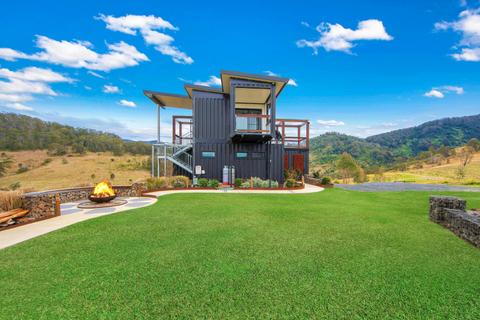
Stay, explore and relax across the park.
Grade 3 · Moderate · 4.5km loop · 1hr 30min - 2hrs 30min
Be the first to share your experience!
Opening
Always open
Nearby towns
Gloucester (18 km) · Dungog (80 km) · Taree (93 km)
Phone
1300 072 757Website
Visit websiteGloucester office
02 6538 5300npws.barringtontops@environment.nsw.gov.au59 Church Street, Gloucester NSW 2422
Monday to Friday, 8.30am to 4.30pm
Copeland NSW 2422