Image
Image
Image
Image
Image
+3
Gallery showing 5 of 8 images, 3 more available
Towra Point Nature Reserve
1 current alert · Checked 11 Oct 2026, 1:05 pm
1080 pest management operation
NSW National Parks and Wildlife Service will be conducting a baiting program using manufactured baits, fresh baits and Canid Pest Ejectors (CPEs) containing 1080 poison (sodium fluroacetate) for the control of foxes. The program will take place between 30 August 2026 and 31 March 2027 in Towra Point Nature Reserve.
Don’t touch baits or ejector devices. Penalties apply for non-compliance
All baiting locations are identifiable by signs.
Domestic pets are not permitted in NSW national parks and reserves. Pets and working dogs may be affected (1080 is lethal to cats and dogs). Pets and working dogs must be restrained or muzzled in the vicinity and must not enter the baiting location. In the event of accidental poisoning seek immediate veterinary assistance.
Fox baiting in these reserves is aimed at reducing their impact on threatened species.
For more information, contact the local park office on:
Sydney South Area 02 9337 5511 (business hours)
NPWS after-hours call centre: 1300 056 294.
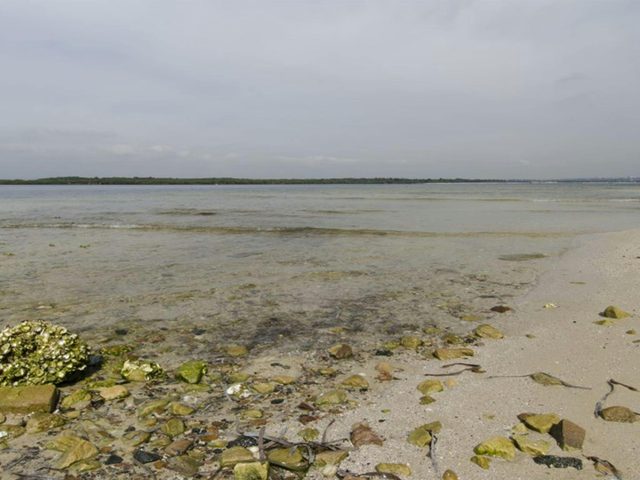
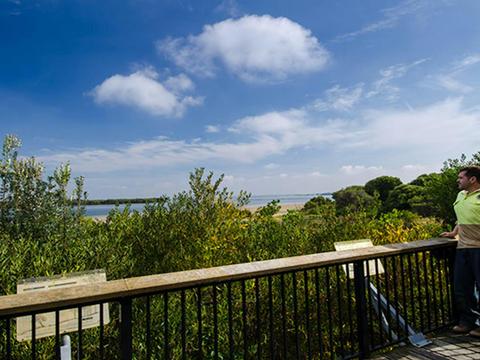
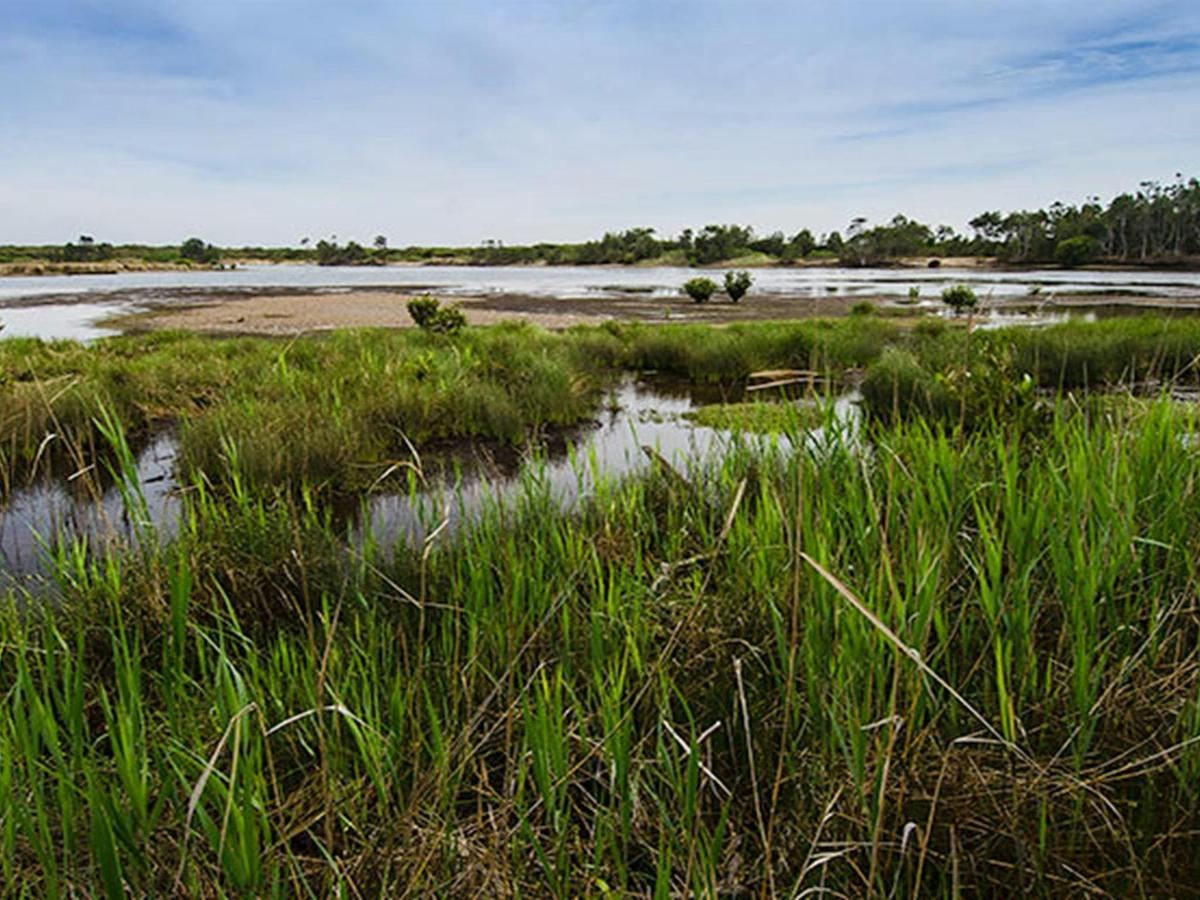
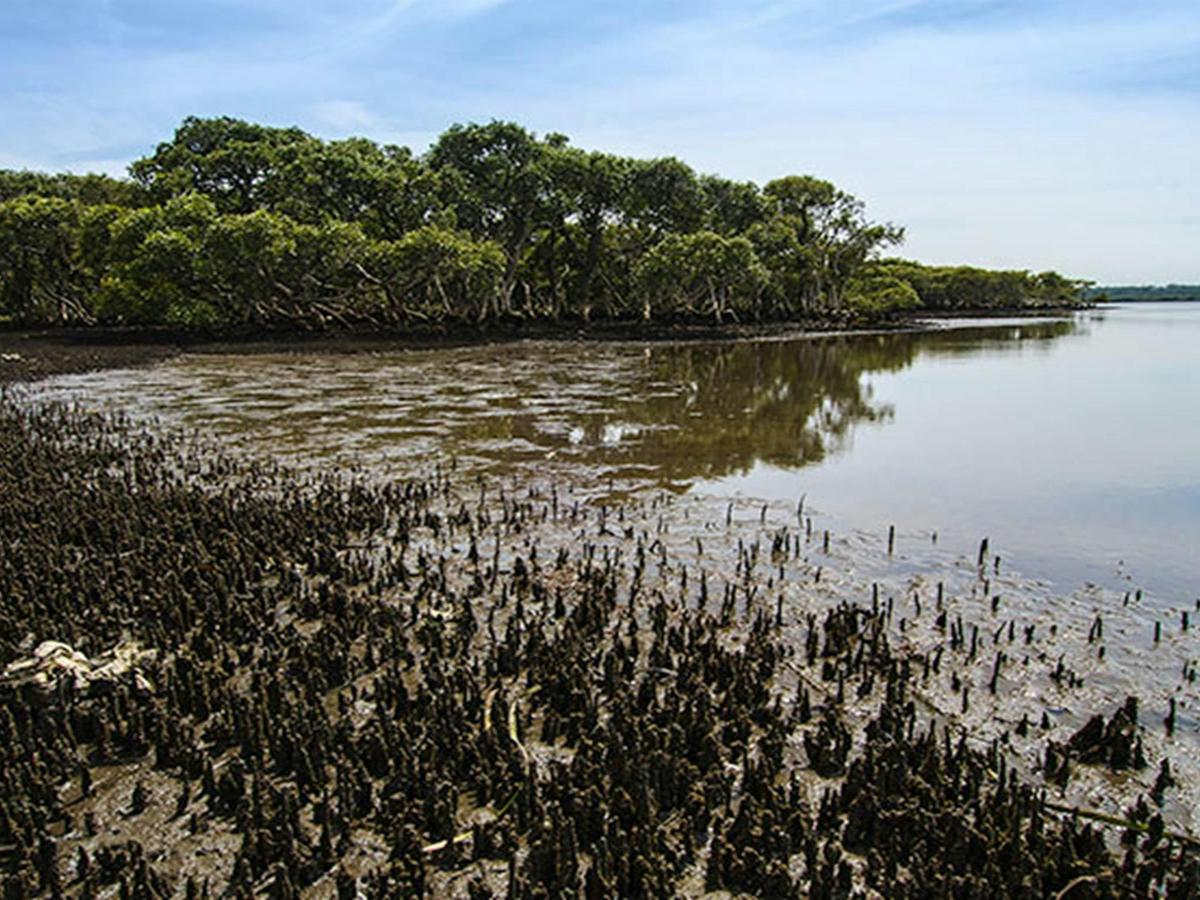
With an abundance of mudflat, fresh water wetlands, mangroves, and sea grass beds, Towra Point Nature Reserve near Cronulla is a haven for rare migrating birds. It's a great spot for school excursions and boating activities.
Towra Point Nature Reserve is a place of many contrasts. It forms the largest and most diverse estuarine wetland complex in Sydney. Representing around half of the remaining mangrove area near Sydney, and most of the saltmarshes remaining in the region, this park is as beautiful as it is fragile and complex. It's listed as an internationally significant RAMSAR site. Be sure to use one of the public moorings if you pull up with your boat and avoid anchoring in the fragile seagrass beds.
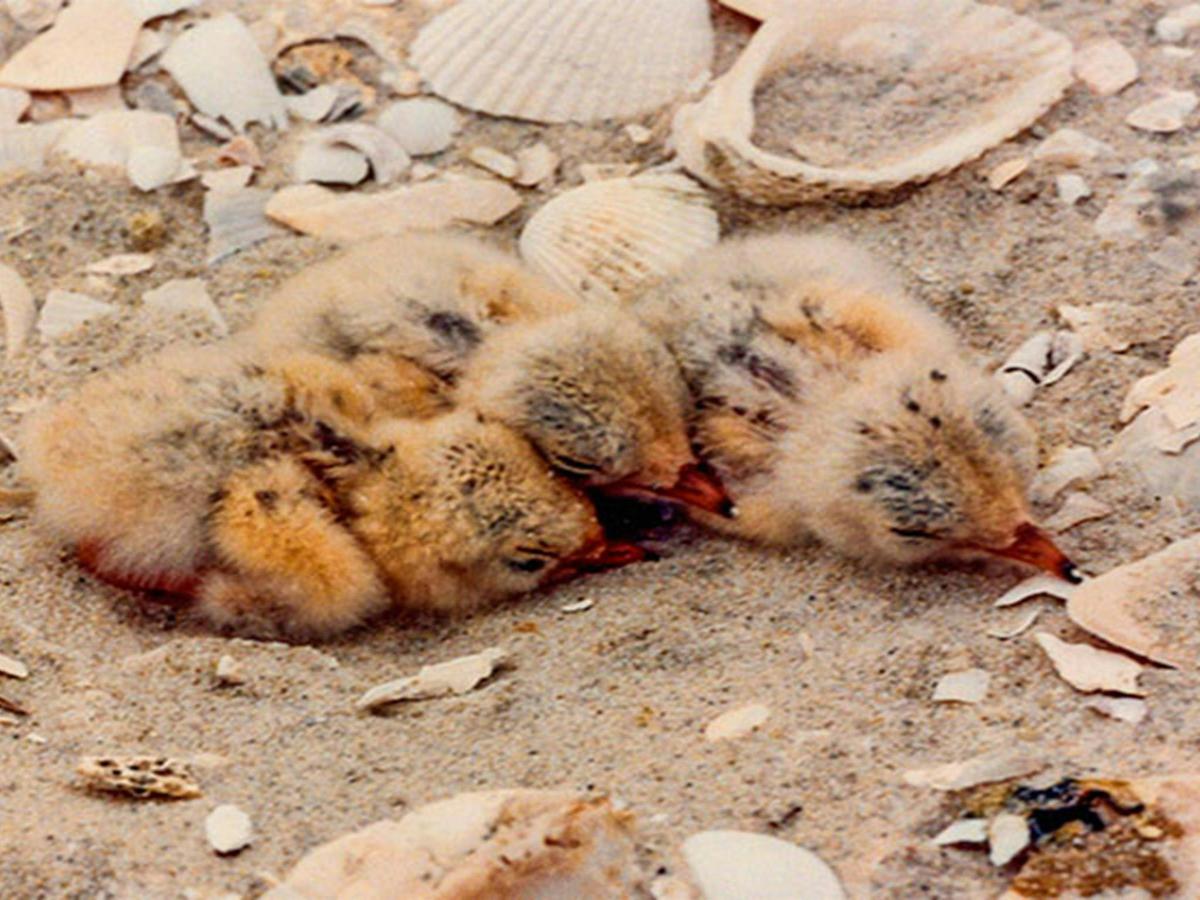
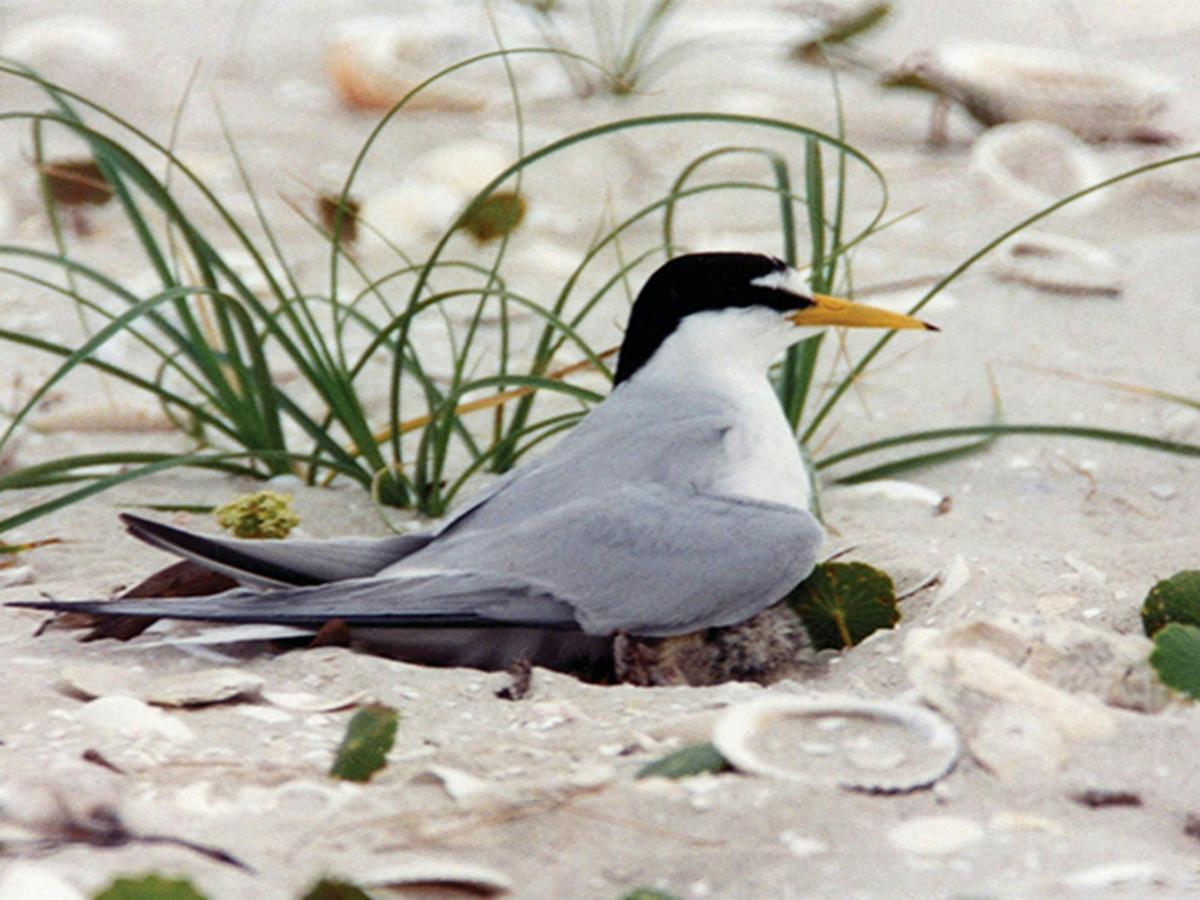
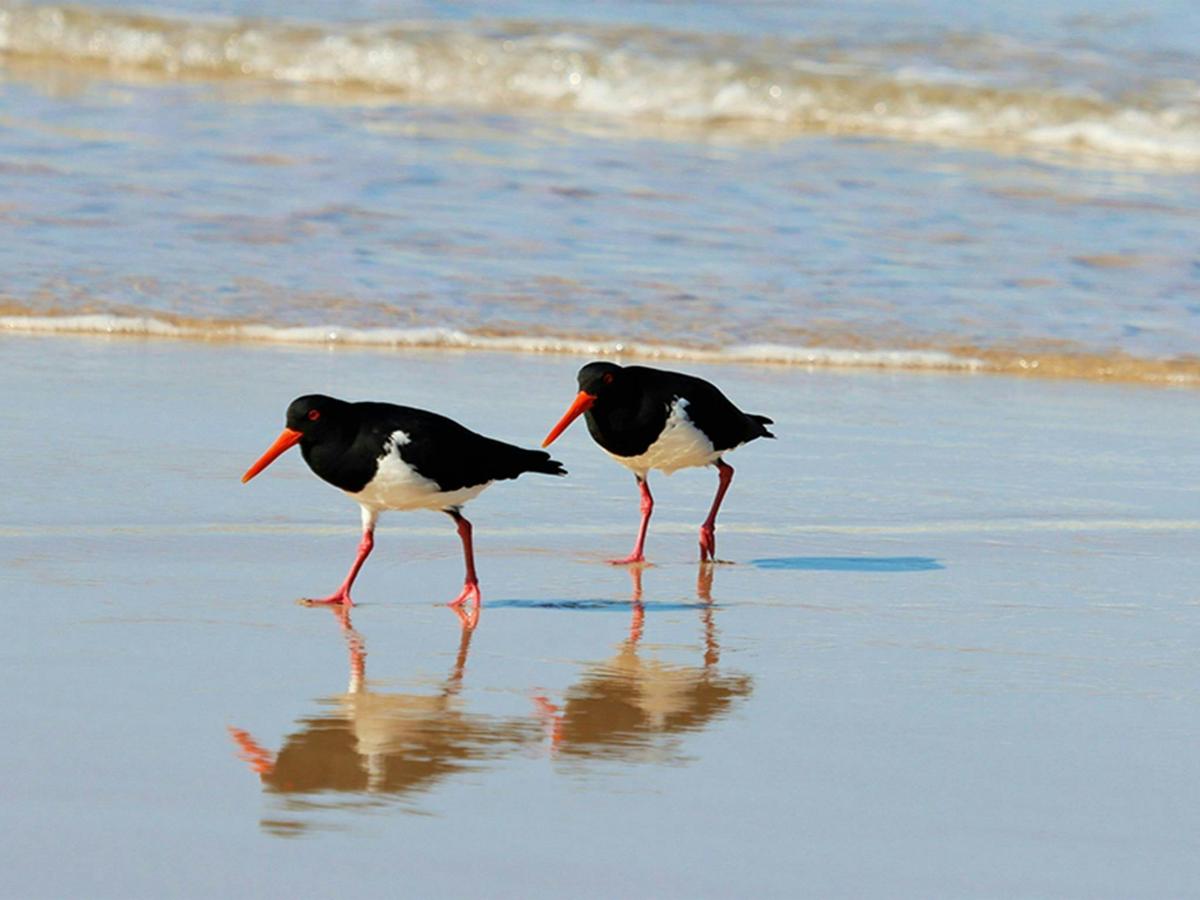
With an abundance of mangroves, mudflat, fresh water wetlands, and seagrass beds, the reserve teems with life. It provides breeding, feeding and roosting sites for many threatened and migratory bird species, which makes this reserve ideal for wetland birdwatching. Dogs are not permitted and its critical that migratory shorebirds like pied oystercatchers remain protected. The reserve is surrounded Towra Point Aquatic Reserve with a mix of sanctuary zones and refuge zones.
Access, facilities and practical details.
A variety of birds, including rainbow lorikeet, crimson rosella and Eastern rosella can be seen feeding on purple berries during spring.
Stay, explore and relax across the park.
Be the first to share your experience!
Nearby towns
Cronulla (6 km) · Sydney City Centre (20 km) · Parramatta (39 km)
Phone
1300 072 757Website
Visit websiteKurnell Visitor Centre
02 9668 2010npws.sydneysouth@environment.nsw.gov.au21 Cape Solander Drive, Kurnell NSW 2231
CLOSED TO VISITORS; Email and phone contact only; Monday to Friday, 10am to 3.30pm; Saturday, Sunday and public holidays, 9.30am to 4pm; Closed Christmas holiday
Kurnell NSW 2231