Image
Image
Image
Image
Image
Image
Gallery showing 6 of 6 images
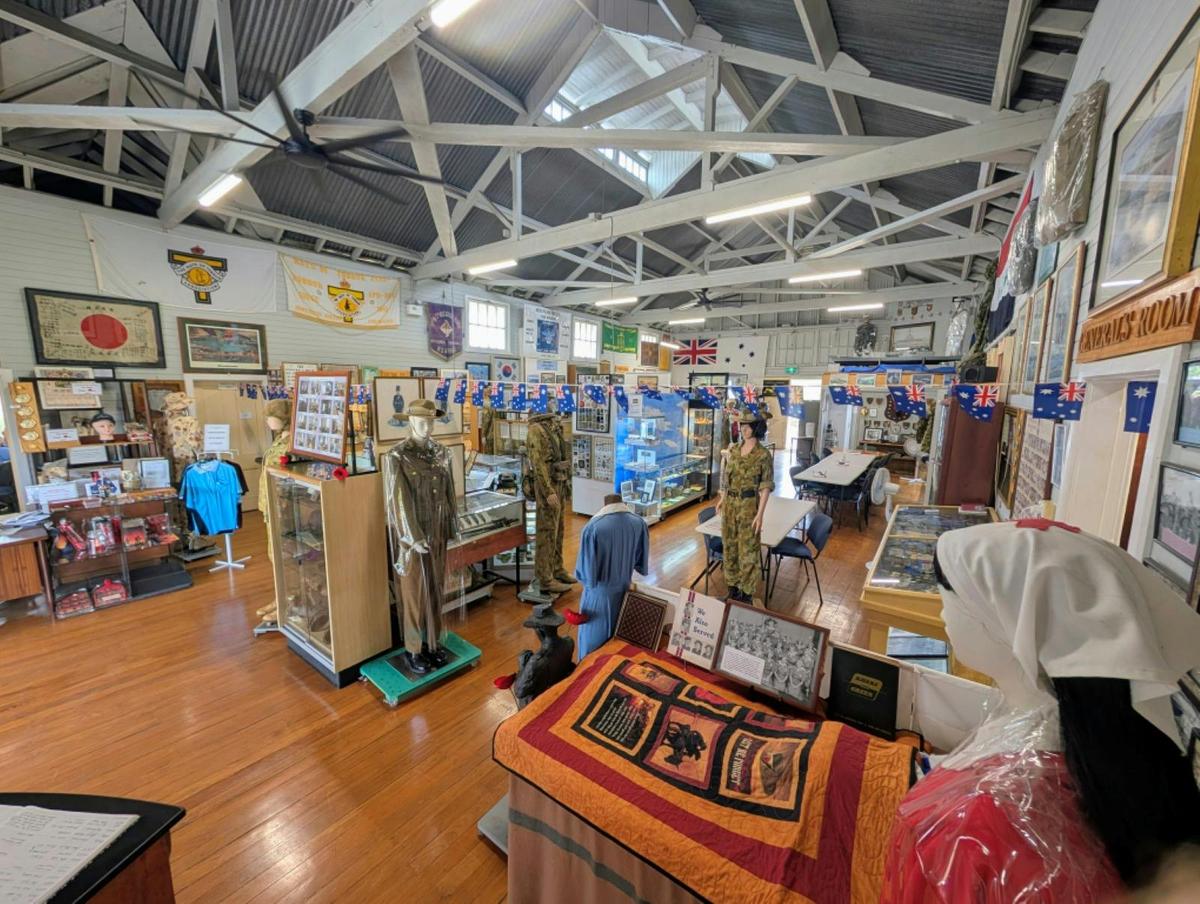
As you follow the sweep of the Richmond River into the town's center, the scenery gives way to the historic heart of Casino. Known as the "Beef Capital of New South Wales," the southern side of town is where the grit of the cattle country meets the elegance of Art Deco design.
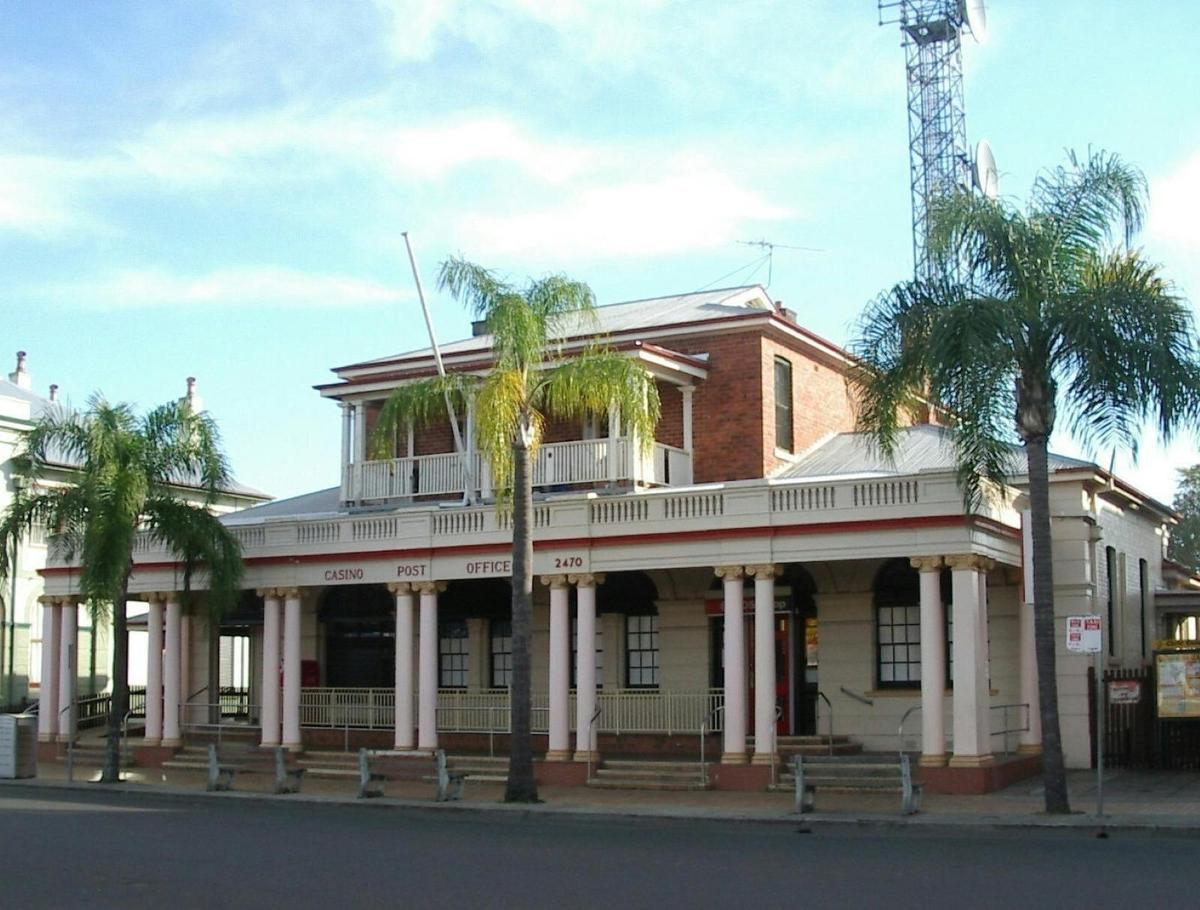
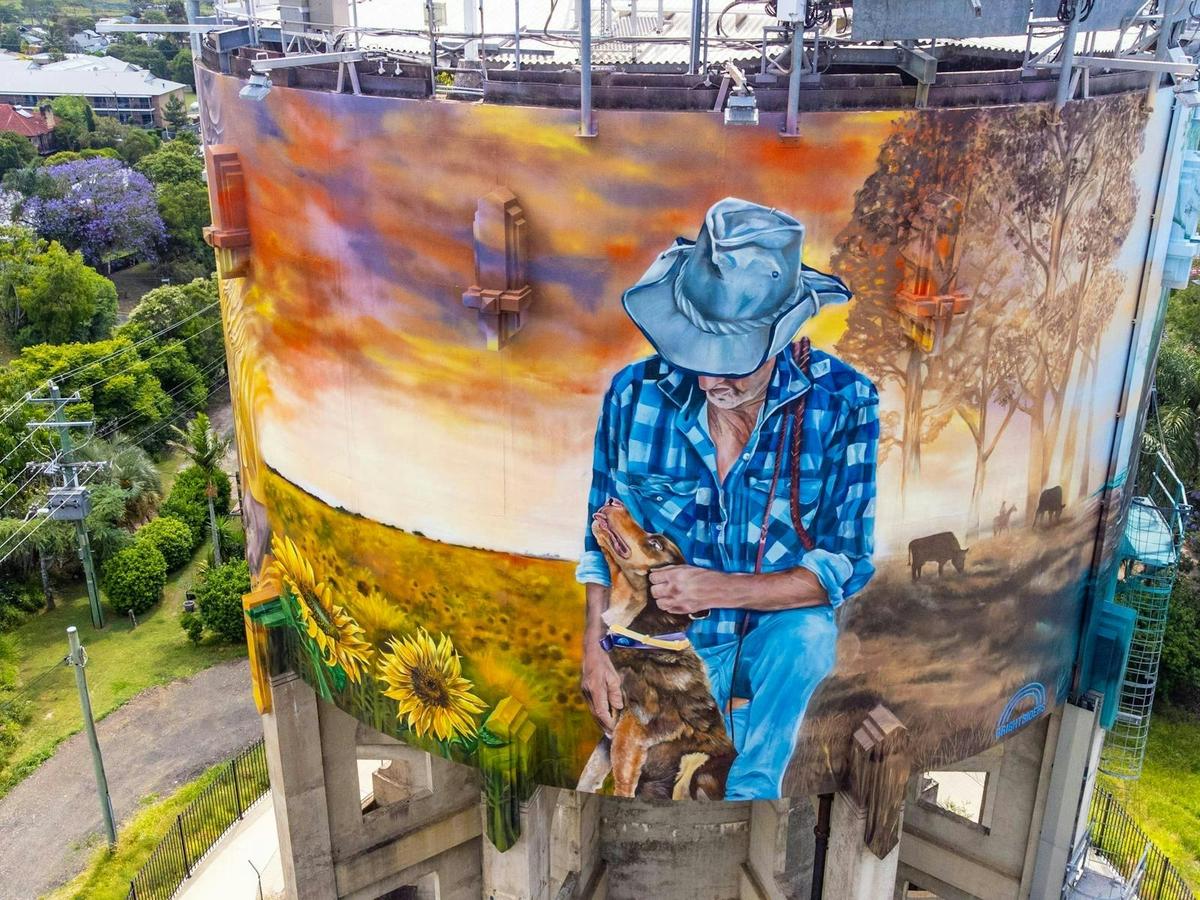
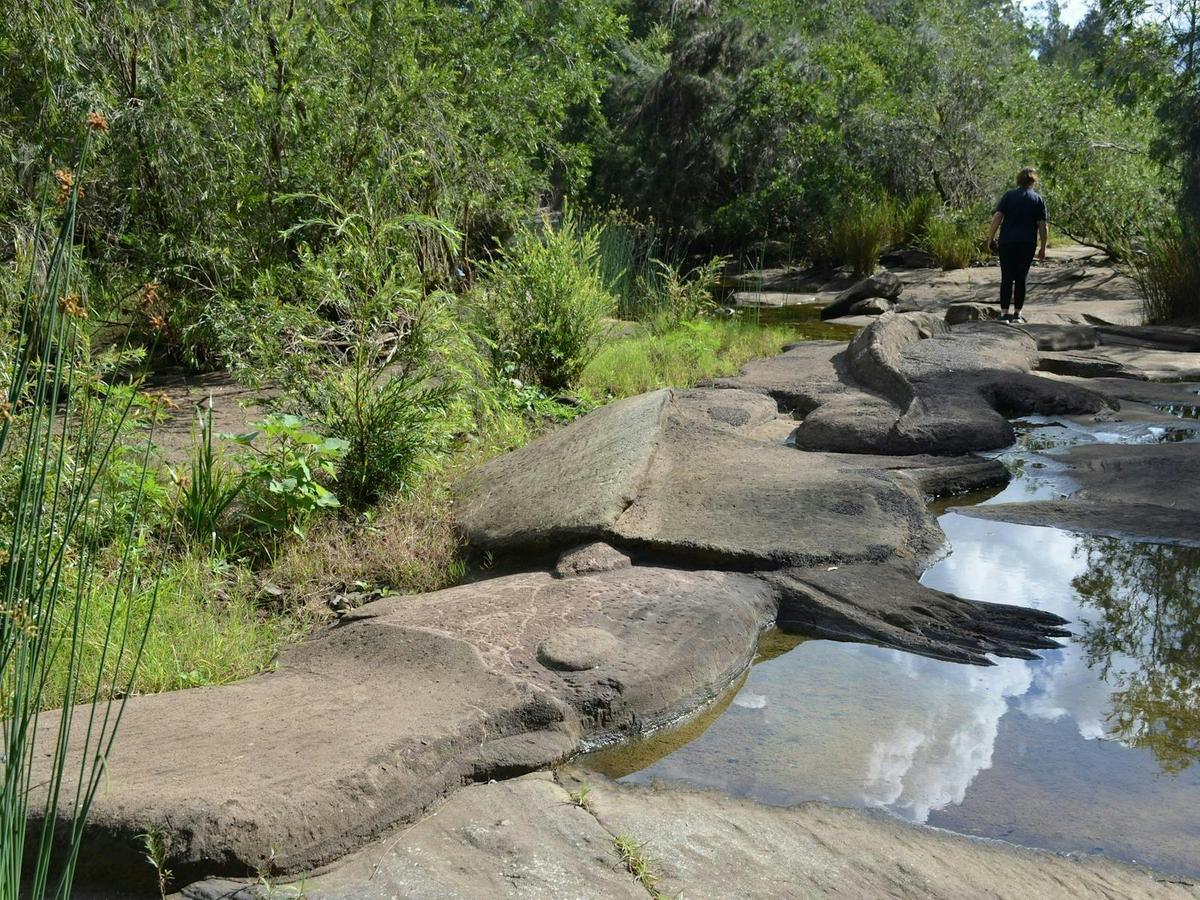
The South drive invites you to explore a destination defined by its storied past and vibrant community spirit. From the grand heritage of the Casino Post Office and Courthouse to the impressive scale of the Water Tower murals, there is a discovery at every turn. Whether you are stopping to spot shy platypuses in the river pools or enjoying the hospitality of the classic Tattersalls, Commercial, and Cecil hotels, you'll experience the authentic soul of the Northern Rivers.
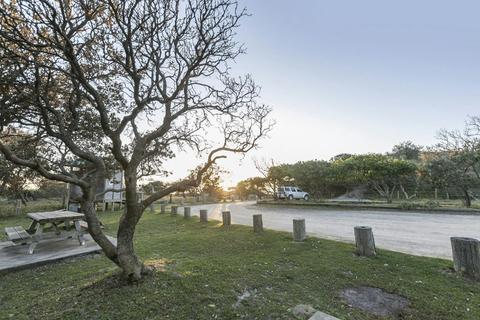
In the 1840s, the first European arrivals to this region were cedar cutters. They relied heavily on the mighty Richmond River to float their timber downstream, sparking the birth of the riverfront settlements and ports that supported early pioneer families. By the 1860s, the landscape shifted. Sugar growers began farming the fertile river flats, leading to the establishment of the Broadwater Sugar Mill by CSR in 1880. More than just an industry, the mill became the beating heart of the community. Even today, it dominates the Broadwater skyline - a living, breathing tribute to the region's enduring sugar legacy. Just two kilometres west lies Riley's Hill, a quaint residential settlement nestled on a gentle knoll. From here, you can take in spectacular views of the Richmond River, Broadwater National Park, and the sweeping, vibrant green cane fields. Known today as a 'sweet place to stop' along the old Pacific Highway, Broadwater and Riley's Hill offer a charming glimpse into Australia's rural heritage. Next time you're travelling through, slow down, pull over, and uncover the secrets of Australia's sweetest villages.
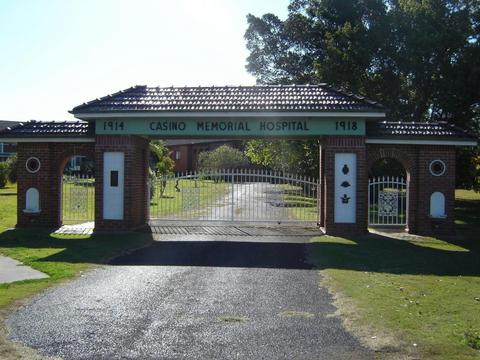
Leave the coastal tracks behind and head into the lush heart of the Northern Rivers. As you follow the sweep of the Richmond River, the scenery gives way to the rolling pastures of Casino - the "Beef Capital of New South Wales" and a charming country hub where rural tradition meets timeless style. The North drive guides you through the town's rich history and quiet natural corners. From the soaring architecture of St Mary's to the family-friendly tracks of the Casino Miniature Railway, this route offers a perfect blend of nostalgia and fresh air. Whether you are exploring the Old Railway Station or birdwatching at the Jabiru Geneebeinga Wetlands, you'll find a destination that moves at a refreshingly laid-back pace.
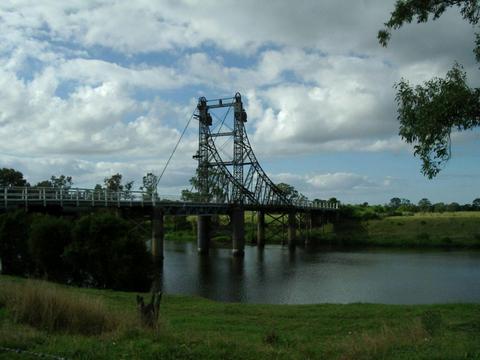
Once a bustling "river capital," Coraki sits at the scenic junction of the Richmond and Wilson Rivers. Founded on the 1840s "red gold" cedar rush, the town evolved from a dense jungle outpost into the most vital port in the Northern Rivers region. For 19th-century travellers, Coraki was the indispensable gateway. Because the river grew shallow upstream, all passengers and cargo from ocean-going vessels had to transfer here, making the wharves a frantic hub of activity. By the 1890s, the town outshone nearby Lismore, boasting a mile-long river frontage known as Richmond Terrace, five hotels, opulent stores, and a massive shipbuilding industry that supplied the colony. The town's prosperity was built on diversity: from the first sugar cane cuttings and thriving dairy farms to the pioneering steam tugs that made the treacherous river bar safer to cross. As rail and roads replaced the "river highway" in the 20th century, Coraki gracefully traded its industrial frenzy for a peaceful, community-focused charm. Today, visitors find a quiet town where the wide, historic riverfront still whispers stories of the grand steamers and pioneer grit that built the region.
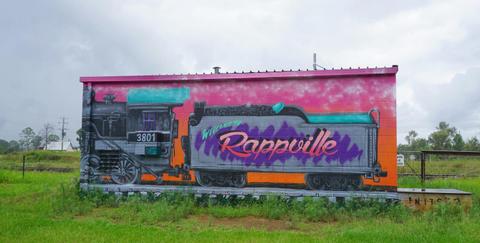
First settled by Europeans in the 1840s for cattle and cedar-getting, the area thrived in the 1860s with booming dairy production. Originally reliant on rough roads and river boats, transport transformed in 1905 when the railway extended south to Grafton. Spotting an opportunity, John Murray built a sawmill beside the tracks. The resulting timber boom sparked a township around "Murray's Siding." By March 1911, the settlement was officially named Rappville after local pioneer Henry Rapp. That same year, Rapp opened the Commercial Hotel. Known today as the Rappville Pub, this iconic two-storey timber landmark served the region's railway workers and timber cutters. Although the timber boom quietened after the 1930s, Rappville retained its rustic charm. The town even caught international attention in 2008 when the UK television drama "Heartbeat" filmed at the historic pub. Today, Rappville remains a peaceful village connected to its timber and beef roots, with its legendary pub standing tall as a reminder of its bustling past.
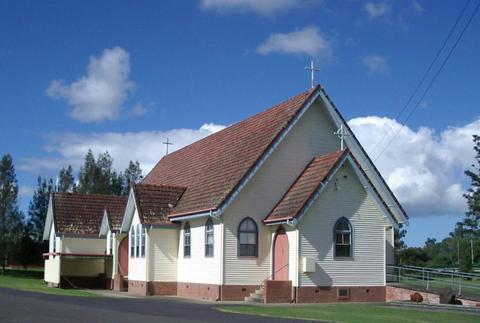
In the early 1840s, cedar cutters established a settlement named "Rocky Mouth." Renamed Woodburn by postmaster William Gollan—a change officialized in 1896—the town grew alongside a booming timber industry. In 1847, timber merchant Billy Wright commissioned large vessels to navigate the Richmond River, driving the development of essential river ports like Wardell, Broadwater, and Coraki. Modern Woodburn began forming in the early 1860s after first settler William Cravigan arrived. Commercial growth, general stores, and law enforcement flourished on the northern bank, while the southern side added a Presbyterian Church and a school. By the 1870s, the district had become a major sugar-growing hub, cementing Woodburn's status as a key port. A distinct chapter unfolded in 1882 when Italian survivors of the ill-fated Marquis de Rays expedition settled nearby. Overcoming severe hardships, they created a thriving community known as "New Italy," leaving a lasting cultural heritage across the district. Bordering Woodburn is Bundjalung National Park, named after its traditional custodians whose ancient middens dot the landscape. Encompassing 17,000 hectares of coastal ecosystems, it protects native wildlife and sacred sites like Mibanbah (Black Rocks) and Jerusalem Creek, remaining a significant natural and cultural sanctuary.
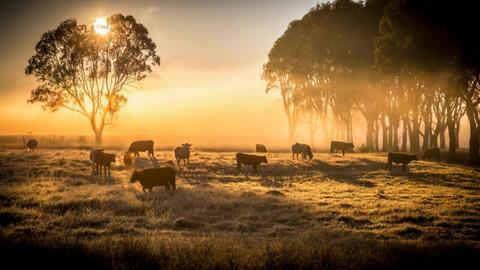
Set off on a breath-taking 120-kilometer scenic loop starting in Casino. Built for the sheer joy of driving, this journey immerses you in dramatic landscapes while uncovering the history that shaped the region. Head west along the Bruxner Highway and take a brief detour onto Sextonville Road to explore the vibrant gardens and maze at Windara Nursery. Re-joining the route, pause at the historic cairn of Wooroowoolgen Station, a pioneering 1860s cattle property. Dry conditions permitting, experienced drivers can opt for a 4WD-only dirt track over the Hogarth Range (avoid in 2WDs, during wet weather, or while towing). The drive winds through rich volcanic soils dotted with stone fruit orchards, macadamia plantations, and coffee crops, filled with the calls of bellbirds and whipbirds. Reach the trip's peak at Mallanganee Lookout for sweeping views of the Great Dividing Range, stretching from Mount Lindesay to Mount Warning (Wollumbin) and the Green Cauldron. Just below, the historic village of Mallanganee offers classic country hospitality, perfect for a coffee or a restful break at Everson Park—before you complete the loop back to Casino via Rappville.
148 Barker Street
Casino NSW 2470