Image
Image
Image
Image
Image
+5
Gallery showing 5 of 10 images, 5 more available
Visit the only complete whaling station tourism attraction in the world.
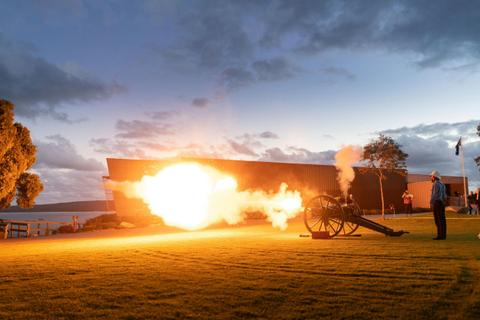
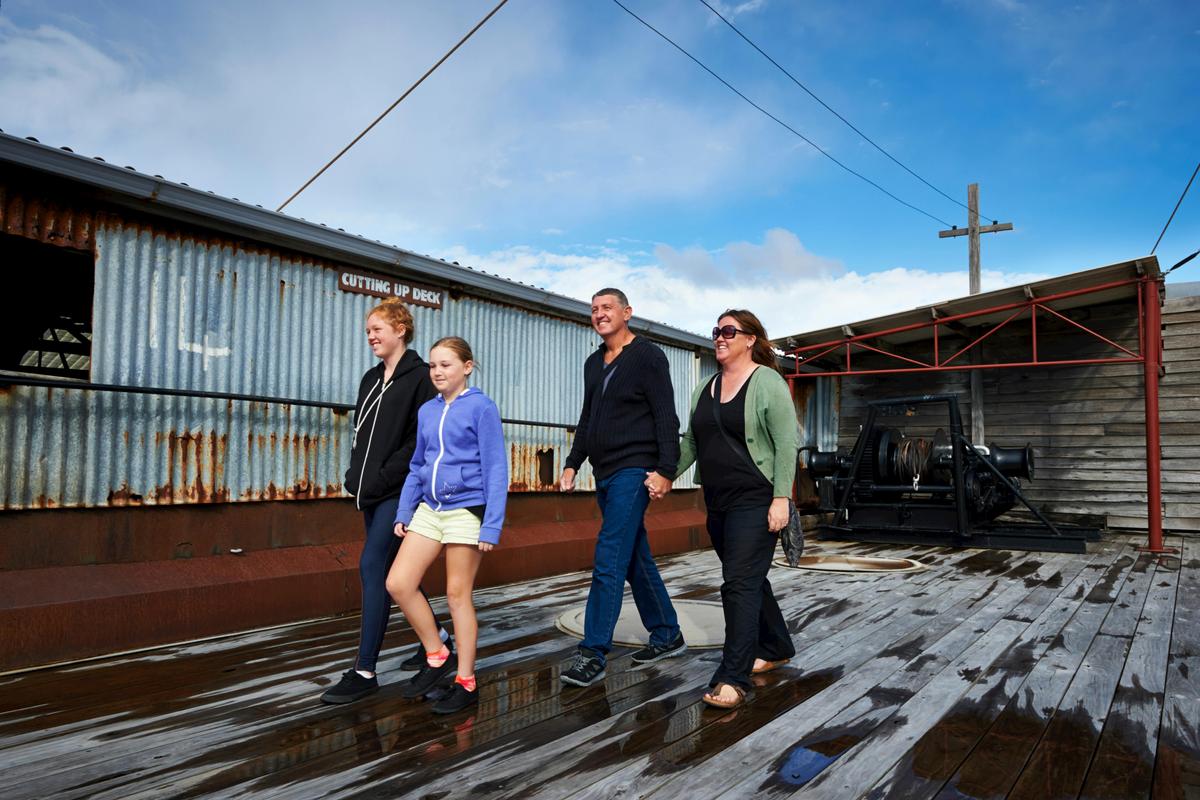
Albany's Historic Whaling Station was the last operating station in Australia and offers a fascinating insight into Albany's colourful past. A state-heritage-listed site and nationally recognised tourism experience, the Whaling Station provides an engaging and educational experience for visitors of all ages.
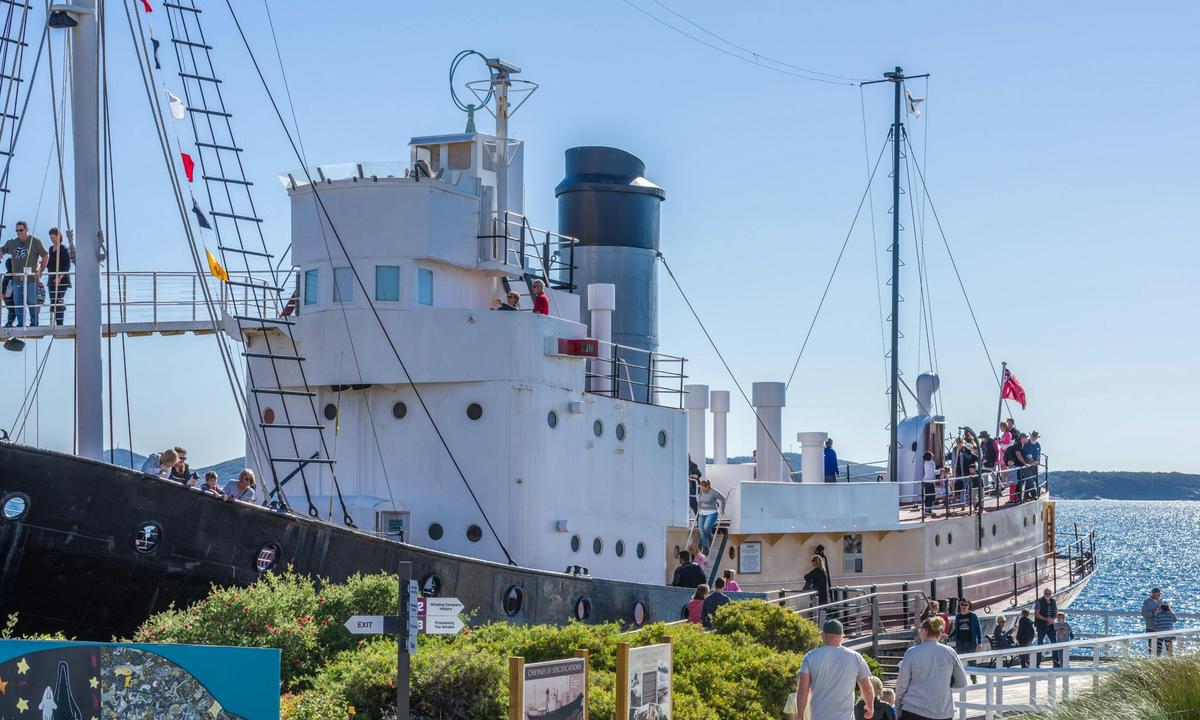
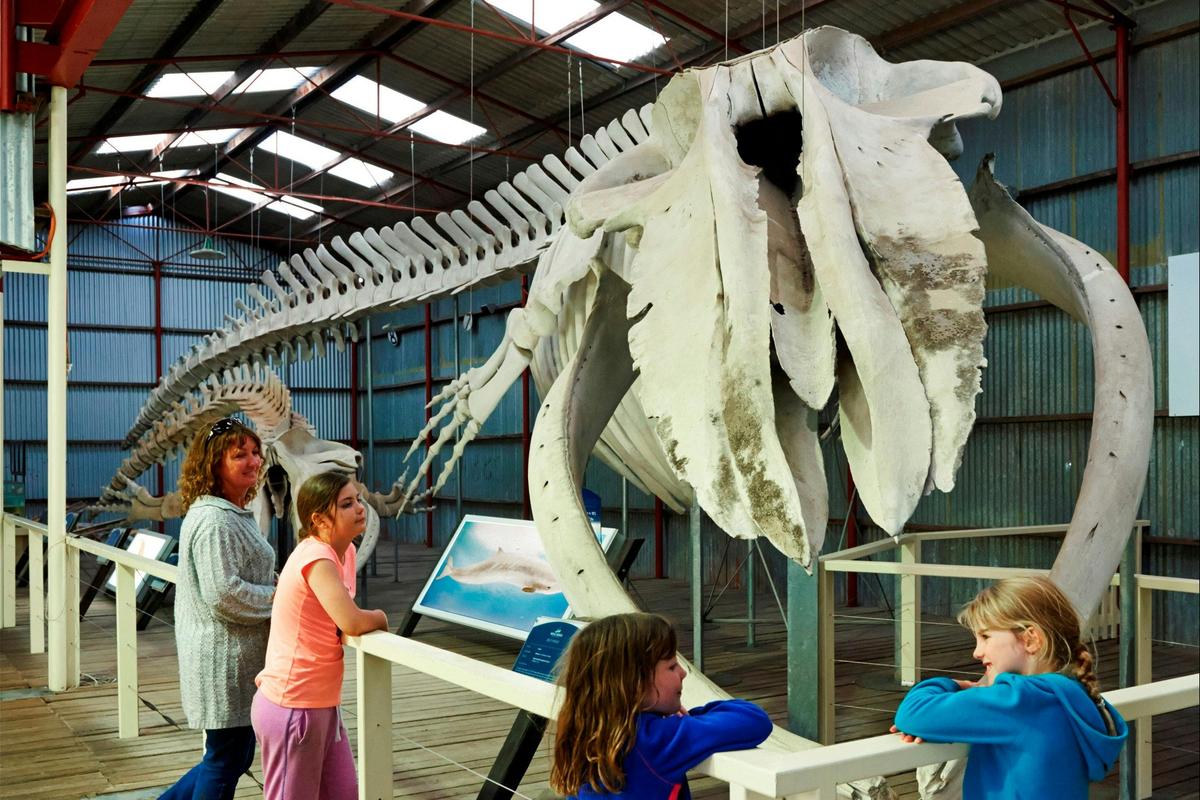
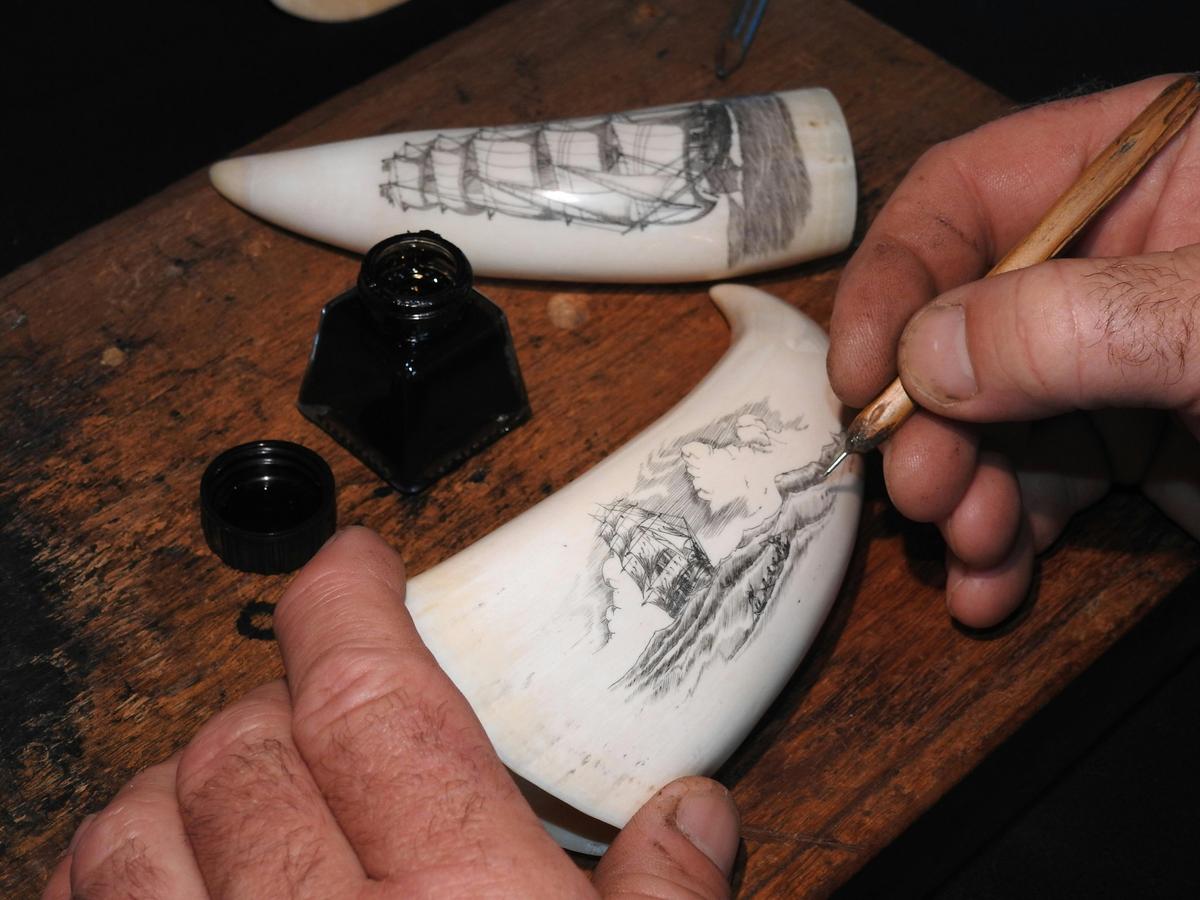
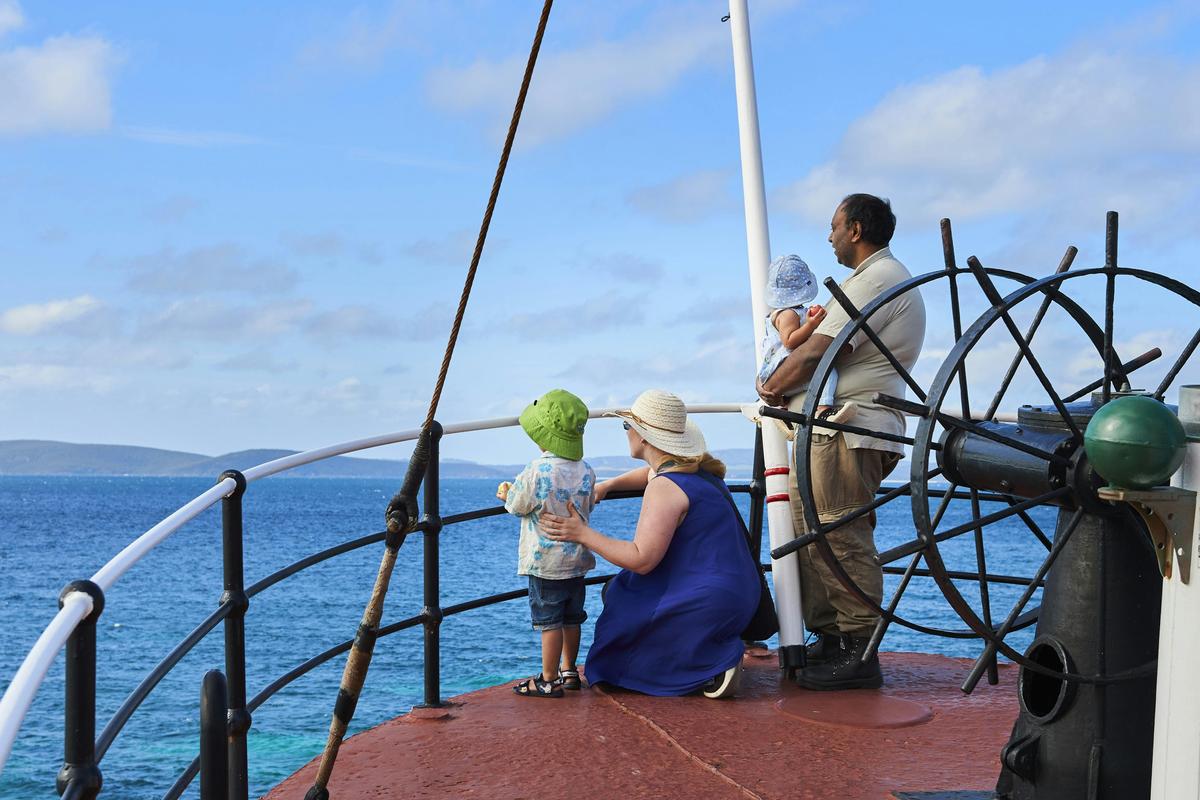
Immerse yourself in the sights and sounds of the whaling industry. Climb aboard the Cheynes IV, the world's only preserved Whalechaser ship, watch short films inside the converted whale oil tanks, discover the giant blue whale skeleton and admire the world-renowned scrimshaw art. Explore extensive museum exhibits filled with authentic artefacts and memorabilia, then relax with sweeping ocean views from the café overlooking one of Albany's most picturesque bays.
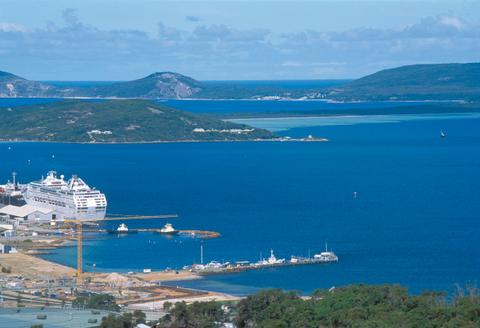
Albany is located in the Great Southern region, part of Australia's South West, a globally recognised biodiversity hotspot home to thousands of native plant species. Many can be discovered in the Regional Wildflower Garden adjoining the Whaling Station. Enjoy free barbecues and meet a friendly collection of native animals at the Australian Wildlife Park, nestled within the garden precinct. Entry to both is included with your Whaling Station admission.
Daily: 09:00–17:00

Before coming to Australia, I only knew that Japan had a long history of whaling. But I never thought I would find a historic whaling station in Western Australia. Looking at Australia today, it's hard to imagine that whaling was once such an important industry. Over the years, whales were hauled ashore and processed into whale oil and other valuable products. At the time, it was an important source of income and fed countless people. Like many industries throughout history, it exists because there is demand, and where there is demand, there is a market. The ruins are so well preserved that visitors feel as if they have traveled back in time to understand the industrial operations at that time. Architecture, machinery, photographs and museum exhibits come together to tell the story of the times that shaped this part of Australia. The site is surrounded by a vast and magnificent seascape, which complements the surrounding natural beauty and human history, forming a fascinating picture. Among all the exhibits, the ones that impressed me most were the old photos. In the picture, the ocean is dyed red with whale blood, fishing boats are returning with full loads, and rows of whale carcasses are waiting to be disposed of. I understand the purpose of this industry. People work to survive, grow their careers, and support their communities. It's easy to look at history through modern eyes, but truly understanding what the past really was is often more complex. Standing in front of those photos, I have an indescribable feeling in my heart. Just think that through these histories, we can reflect on how our relationship with nature has changed over time. History isn’t always pleasant, but perhaps that’s why it’s so important to understand. It helps us understand where we came from, how our values evolved, and the choices we make for the future.

Visited the Whaling station 5 odd years ago and the revisit was just as good the second time around. Well worth the visit but nake sure you give yourself a few hours. There is also a nice cafe that has a reasonable menu. Our lunch was fish and chips that was very tasty.

A very interesting experience with heaps of rich history of Albany along with plenty of educational videos and plaques to read. Loved getting on the boat and exploring under the deck, the engine room, captains room, living quarters and kitchen. Truly amazing and makes you realise how tough it would have been at sea and the Whaling industry. Glad Whaling is banned now and it's all just history 💯 worth a visit if passing through Albany

The visit to the Historic Whaling Station was such an interesting and worthwhile experience. The site is incredibly well preserved and gives you a real insight into an important part of Australia’s history. Walking through the old buildings, seeing the whaling ship, and learning about how the industry operated was both fascinating and eye-opening. The museum displays are informative and well presented, making it easy for both adults and kids to understand the history. The views over the ocean are absolutely stunning as well, which makes exploring the area even more enjoyable. It’s a great stop if you’re visiting Albany and definitely something I’d recommend to anyone interested in history, culture, or unique Australian experiences. A really memorable place to visit. 🐋🌊

This is a place worth visiting. Sad in some ways as it covers a history of whaling but also so interesting as you have the opportunity to learn alot about whales and conservation.. Found the displays very interesting and well put together. I had an incident where i hit my head and i would like to recognise Kaylah as a caring staff member who showed empathy and profesionalism in dealing with my issue.. Thanks for your kindness..
81 Whaling Station Road
Torndirrup WA 6330