Image
Gallery showing 1 of 1 images
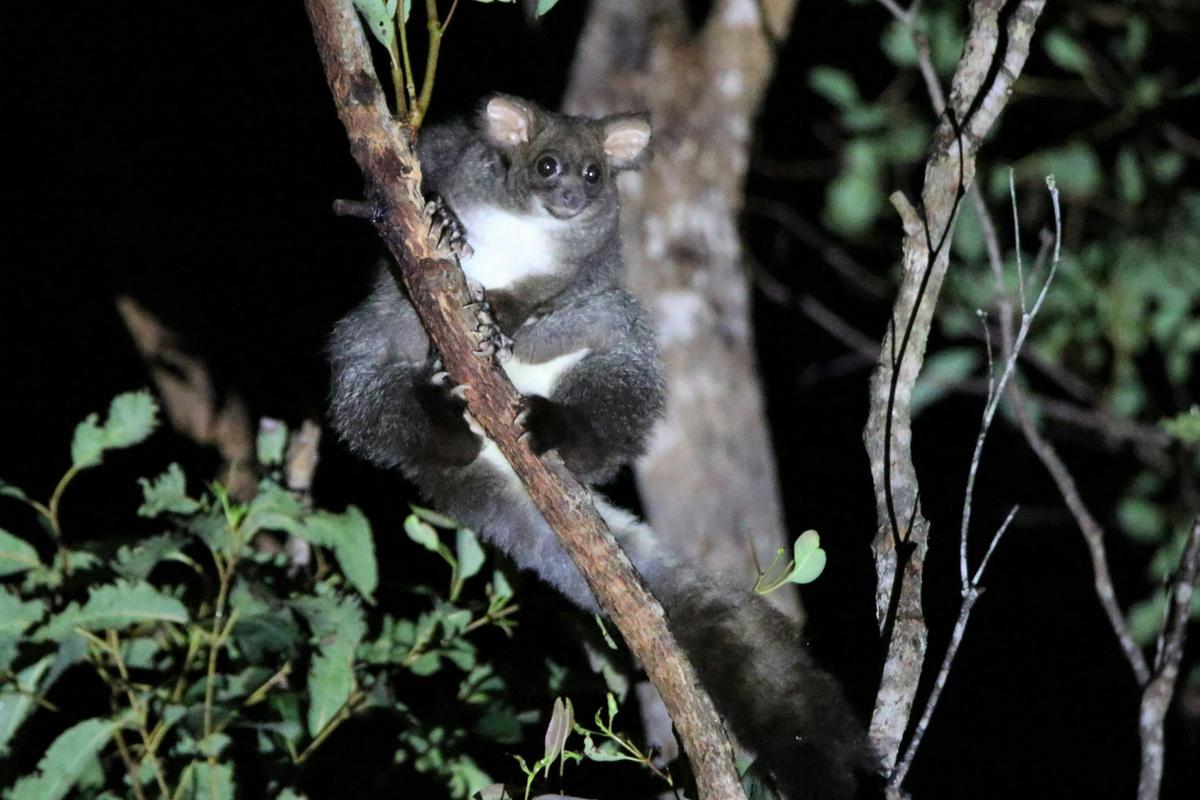
This tour is an extended version of the Nocturnal Wet Tropics Tour (2.5hrs). This longer version gives us time to look for Greater Glider (image), Common Ring-tailed Possum and Rufous Bettong.
Between July and December we also try to get Yellow-bellied Glider, Inland Sugar Glider (formerly Sugar Glider) and Broad-toed Feather-tailed Glider (image). This all depends on whether the sap-trees in the Atherton area that the Yellow-bellied Gliders frequent are producing sap. Yellow-bellied Gliders feed on sap of Eucalyptus resinifera. The Greater Glider. This glider is a folivore and the largest glider.
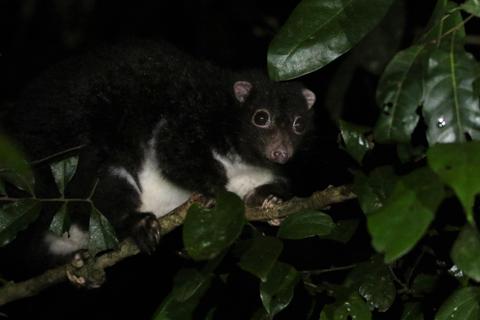
This tour is run in the Atherton area and is non-exclusive with a maximum of 6 persons. This tour is the best option for families with children under 12 years of age. This version of the tour will get you 3-5 possum species, with Green Ringtail Possum, Herbert River Ringtail Possum and Lemuroid Ringtail Possum - all three endemic to the Wet Tropics Bioregion - nearly always seen on this tour. Common Brushtail Possum is also one of the regulars. Sometimes they get Striped Possum and if they are very lucky they might also get Long-tailed Pygmy Possum. They also very often get Lumholtz's Tree Kangaroo, Giant White-tailed Rat and sometimes Fawn-footed Melomys, Long-nosed Bandicoot and maybe a Spectacled Flying-fox or some other bats. Of course, they also get owls on tour. Eastern Barn Owl is regularly seen perched on fence posts. Lesser Sooty Owl, Rufous Owl and Little Red Boobook are sometimes seen as well although not specifically targeted. Northern Leaf-tailed Gecko and Chameleon Gecko - both Wet Tropics Bioregion endemics - are also regulars on this tour. Now and then, they get a snake on tour.
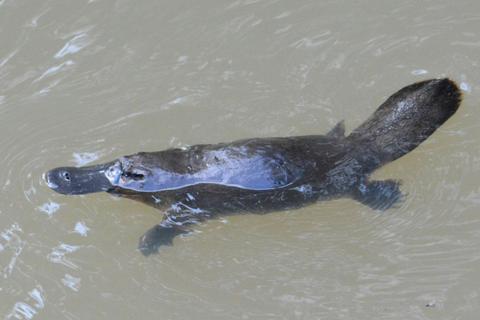
This tour is a HALF DAY (5 hrs - afternoon) followed by a 3 HRS NOCTURNAL WET TROPICS TOUR which showcases some of the Wet Tropics endemic and other wildlife unique to Australia that can be found on our beautiful Atherton Tablelands. Lumholtz's Tree Kangaroo (Wet Tropics endemic = WT end.), Musky Rat-kangaroo (WTend.), Red-legged Pademelon, Platypus, Green Ring-tailed Possum (WTend.) are some of the mammals that can be seen during the day. Most mammals are nocturnal and that's why they will also be spotlighting after dinner. Dinner can be had at a restaurant or guests can bring picnic dinner. The latter allows for more flexibility. They do not only see mammals on this tour of course. They also see some find Wet Tropics endemic rainforest birds like Grey-headed Robin or Pied Monarch, and maybe even other endemics like Victoria's Riflebird or Tooth-billed Bowerbird. Reptiles like the Wet Tropics endemic Boyd's Forest Dragon can be seen on tours in the warmer months (Nov-March). Both Sarus Crane and Brolga can be seen from about July till late November.
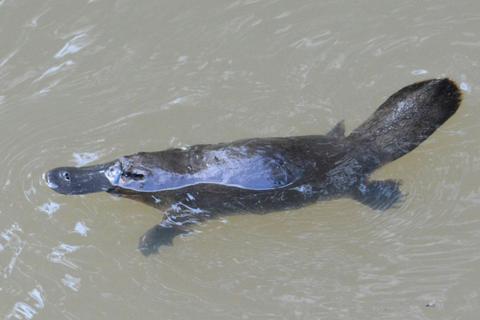
This tour is a HALF DAY (5 hrs - afternoon) followed by a 3 HRS NOCTURNAL WET TROPICS TOUR which showcases some of the Wet Tropics endemic and other wildlife unique to Australia that can be found on our beautiful Atherton Tablelands. Lumholtz's Tree Kangaroo (Wet Tropics endemic = WT end.), Musky Rat-kangaroo (WTend.), Red-legged Pademelon, Platypus, Green Ring-tailed Possum (WTend.) are some of the mammals that can be seen during the day. Most mammals are nocturnal and that's why they will also be spotlighting after dinner. Dinner can be had at a restaurant or guests can bring picnic dinner. The latter allows for more flexibility. They do not only see mammals on this tour of course. They also see some find Wet Tropics endemic rainforest birds like Grey-headed Robin or Pied Monarch, and maybe even other endemics like Victoria's Riflebird or Tooth-billed Bowerbird. Reptiles like the Wet Tropics endemic Boyd's Forest Dragon can be seen on tours in the warmer months (Nov-March). Both Sarus Crane and Brolga can be seen from about July till late November.